


Resources

Sustainable practices and industry trends from Denali’s experts
For media inquiries, please email us at media@denaliwater.com

Blogs
Animal feed from bakery and food manufacturing waste — here's how it works
Dry food manufacturing byproducts — bakery trim, cereals, chips, cottonseed — are nutritionally dense and well-matched to animal feed recycling. This post explains what qualifies, the logistics involved, and why it's worth treating as a product recovery opportunity.

Blogs
Animal feed from bakery and food manufacturing waste — here's how it works
Dry food manufacturing byproducts — bakery trim, cereals, chips, cottonseed — are nutritionally dense and well-matched to animal feed recycling. This post explains what qualifies, the logistics involved, and why it's worth treating as a product recovery opportunity.
Blogs
Animal feed from bakery and food manufacturing waste — here's how it works
Dry food manufacturing byproducts — bakery trim, cereals, chips, cottonseed — are nutritionally dense and well-matched to animal feed recycling. This post explains what qualifies, the logistics involved, and why it's worth treating as a product recovery opportunity.

Blogs
Food Processing Residuals: The fertilizer that synthetic inputs can't match on price
Synthetic fertilizer prices have been climbing for years, driven by energy costs and foreign supply chains outside any farmer's control. Food processing residuals offer a domestically sourced, agronomically proven alternative, one that Denali provides to farmers at no cost. Here's what FPRs are, what they do for soil health and crop yields, and what farmers are actually saving.
Blogs
Food Processing Residuals: The fertilizer that synthetic inputs can't match on price
Synthetic fertilizer prices have been climbing for years, driven by energy costs and foreign supply chains outside any farmer's control. Food processing residuals offer a domestically sourced, agronomically proven alternative, one that Denali provides to farmers at no cost. Here's what FPRs are, what they do for soil health and crop yields, and what farmers are actually saving.
Blogs
Food Processing Residuals: The fertilizer that synthetic inputs can't match on price
Synthetic fertilizer prices have been climbing for years, driven by energy costs and foreign supply chains outside any farmer's control. Food processing residuals offer a domestically sourced, agronomically proven alternative, one that Denali provides to farmers at no cost. Here's what FPRs are, what they do for soil health and crop yields, and what farmers are actually saving.
Blogs
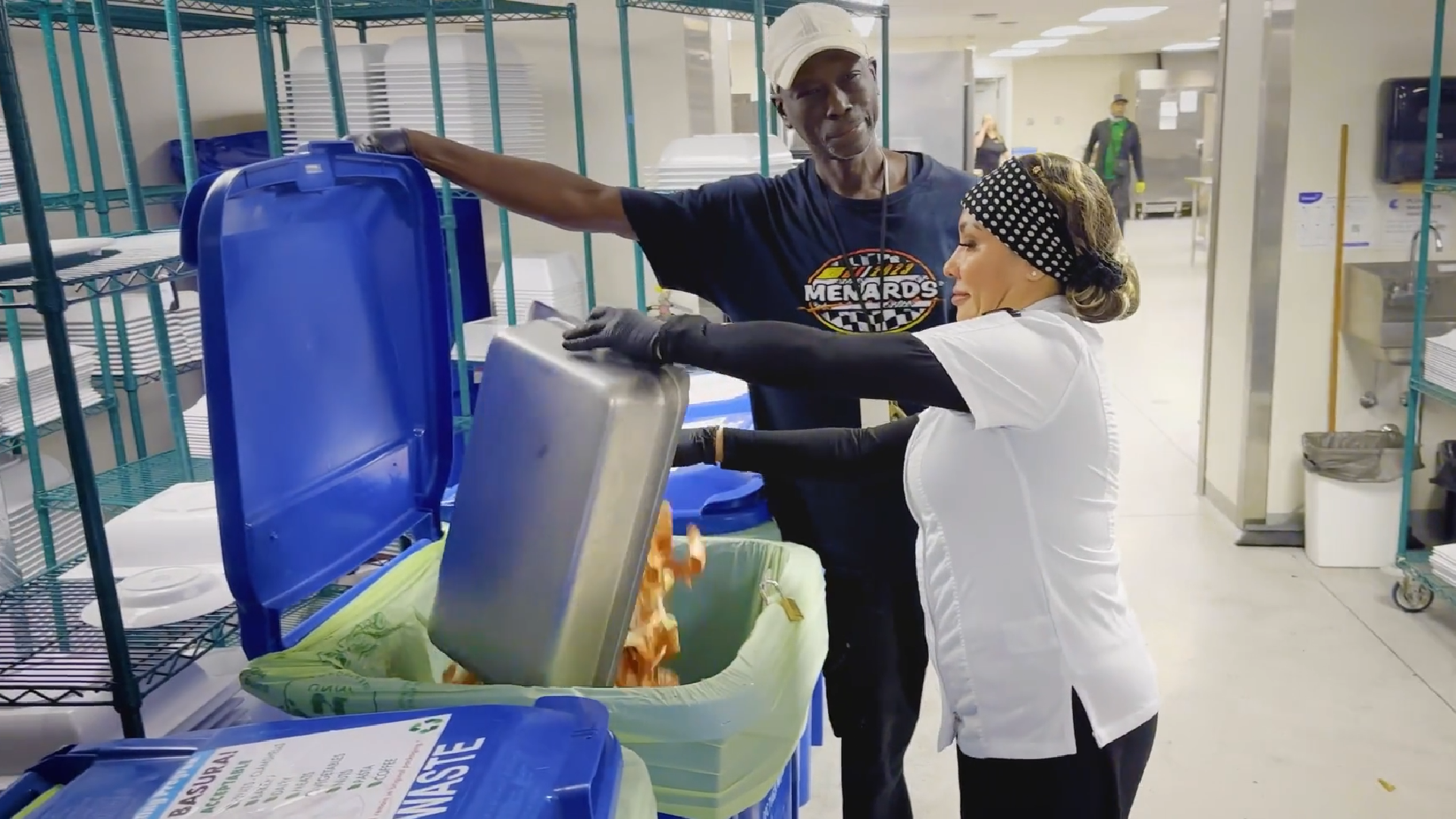
How to Sustain a food recycling program over time
Launching a food recycling program is only the beginning. Over time, operations change, workflows will shift, and new employees will join the team. This guide explores the operational practices that help programs stay effective long after launch.
Blogs
How to Sustain a food recycling program over time
Launching a food recycling program is only the beginning. Over time, operations change, workflows will shift, and new employees will join the team. This guide explores the operational practices that help programs stay effective long after launch.
Blogs
How to Sustain a food recycling program over time
Launching a food recycling program is only the beginning. Over time, operations change, workflows will shift, and new employees will join the team. This guide explores the operational practices that help programs stay effective long after launch.

Blogs
Common pitfalls when rolling out food recycling programs (and how to avoid them)
Rolling out a food recycling program comes with a learning curve. This guide covers the most common pitfalls: contamination, participation gaps, and workflow friction. It also offers practical ways to address them before they stall your program.
Blogs
Common pitfalls when rolling out food recycling programs (and how to avoid them)
Rolling out a food recycling program comes with a learning curve. This guide covers the most common pitfalls: contamination, participation gaps, and workflow friction. It also offers practical ways to address them before they stall your program.
Blogs
Common pitfalls when rolling out food recycling programs (and how to avoid them)
Rolling out a food recycling program comes with a learning curve. This guide covers the most common pitfalls: contamination, participation gaps, and workflow friction. It also offers practical ways to address them before they stall your program.
Blogs
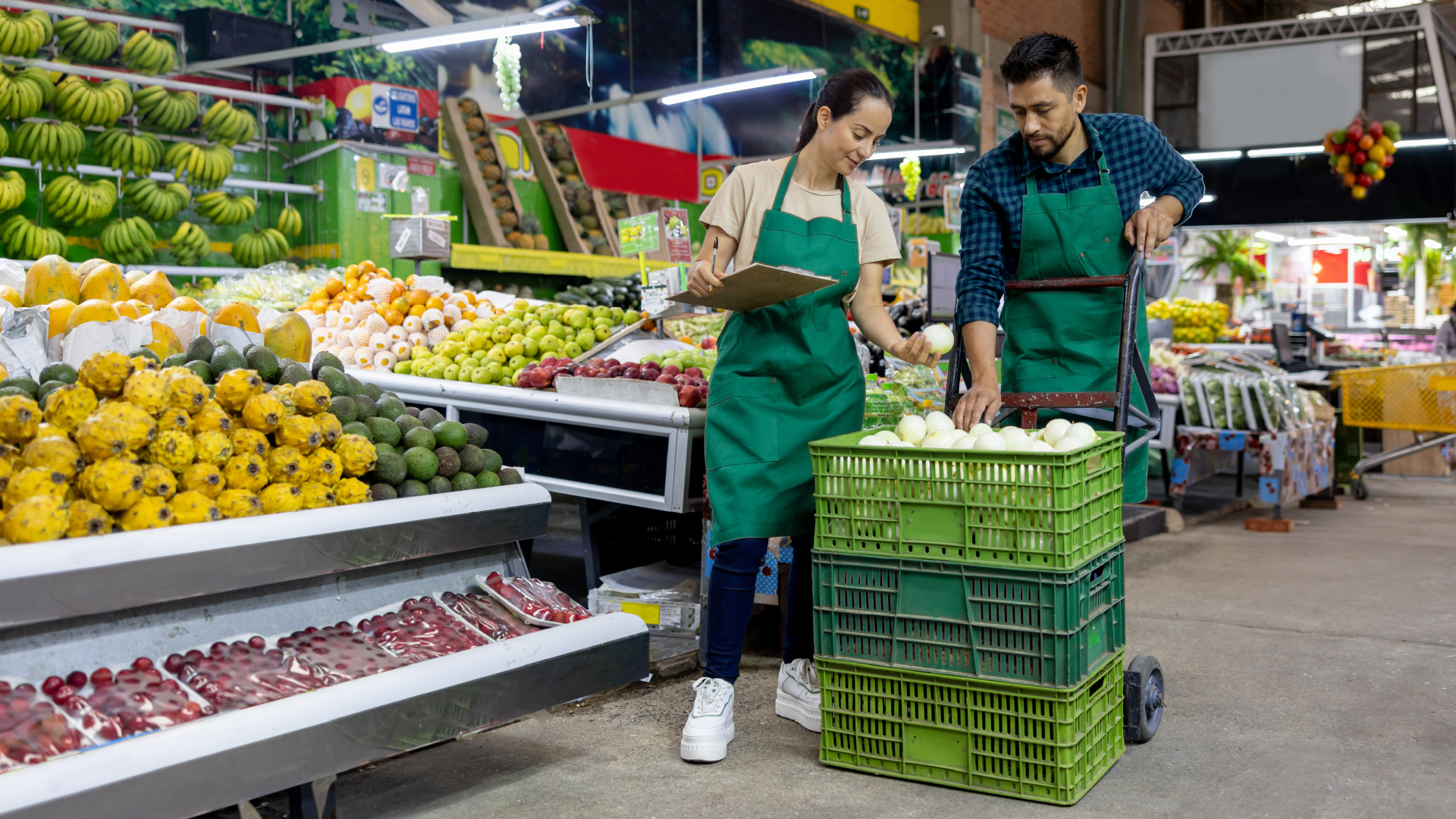
Training That Sticks: How to Drive Store- and Facility-Level Adoption
Employee adoption determines whether a food recycling program gains traction or stalls. Learn how training designed around real store and facility workflows helps teams integrate recycling into daily operations and sustain participation over time.
Blogs
Training That Sticks: How to Drive Store- and Facility-Level Adoption
Employee adoption determines whether a food recycling program gains traction or stalls. Learn how training designed around real store and facility workflows helps teams integrate recycling into daily operations and sustain participation over time.
Blogs
Training That Sticks: How to Drive Store- and Facility-Level Adoption
Employee adoption determines whether a food recycling program gains traction or stalls. Learn how training designed around real store and facility workflows helps teams integrate recycling into daily operations and sustain participation over time.

Blogs
Who owns food recycling internally?
Food recycling programs often stall when internal ownership is unclear. This guide explains how defining roles across departments and establishing shared accountability helps keep programs organized, coordinated and moving forward.
Blogs
Who owns food recycling internally?
Food recycling programs often stall when internal ownership is unclear. This guide explains how defining roles across departments and establishing shared accountability helps keep programs organized, coordinated and moving forward.
Blogs
Who owns food recycling internally?
Food recycling programs often stall when internal ownership is unclear. This guide explains how defining roles across departments and establishing shared accountability helps keep programs organized, coordinated and moving forward.