How to Sustain a food recycling program over time


Key takeaways:
- A strong launch is just the starting point. The real test of a food recycling program is whether it holds up over months and years of real operations.
- Declining employee participation is often a sign that the program is competing with other priorities or no longer fits daily workflows, not that staff don't care.
- Programs need to flex as business operations evolve; seasonal shifts, staffing changes, and new locations can all disrupt procedures that once worked well.
- Data is one of the most powerful tools for long-term program management. Tracking KPIs like diversion rates and contamination levels helps catch problems early.
- Ongoing oversight and regular cross-team check-ins are what separate programs that last from those that quietly fizzle out.
How a food recycling program launches can be critically important to its overall, long-term success. A strong start usually means the program has been set up carefully, and your team understands how the process and infrastructure are supposed to work.
But that is only the beginning. The real test comes in the months and years that follow.
Over time, it is not uncommon for food recycling programs to lose steam for a number of reasons. Business needs shift, staff turns over, and employees get bogged down with other tasks. That’s why ongoing program management is crucial to ensuring long-term success and preventing a gradual decline in participation.
Here are four things to focus on post-launch to ensure your recycling program stands the test of time.
Maintaining participation over time
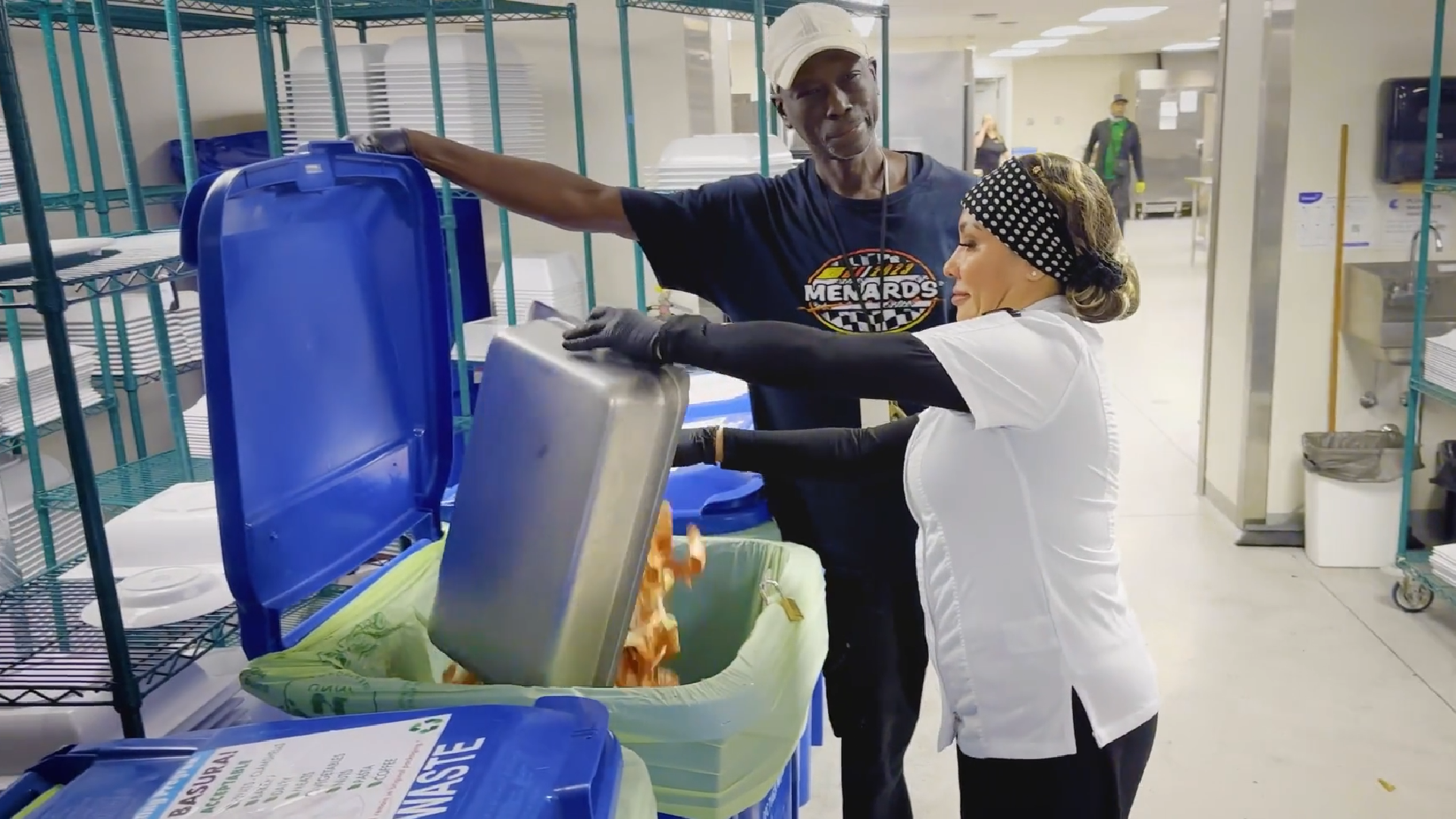
Employee participation is key to a food recycling program that is built to last. While management has drafted the protocols and training materials, it is the staff that will execute the program.
Declining participation isn’t always because employees may not feel connected to food recycling. In fact, today’s workers value sustainability. More often, it signals that the program is competing with other priorities, or that processes no longer fit daily workflows. Turnover can also contribute when new employees are not introduced to the program or don’t understand the expectations.
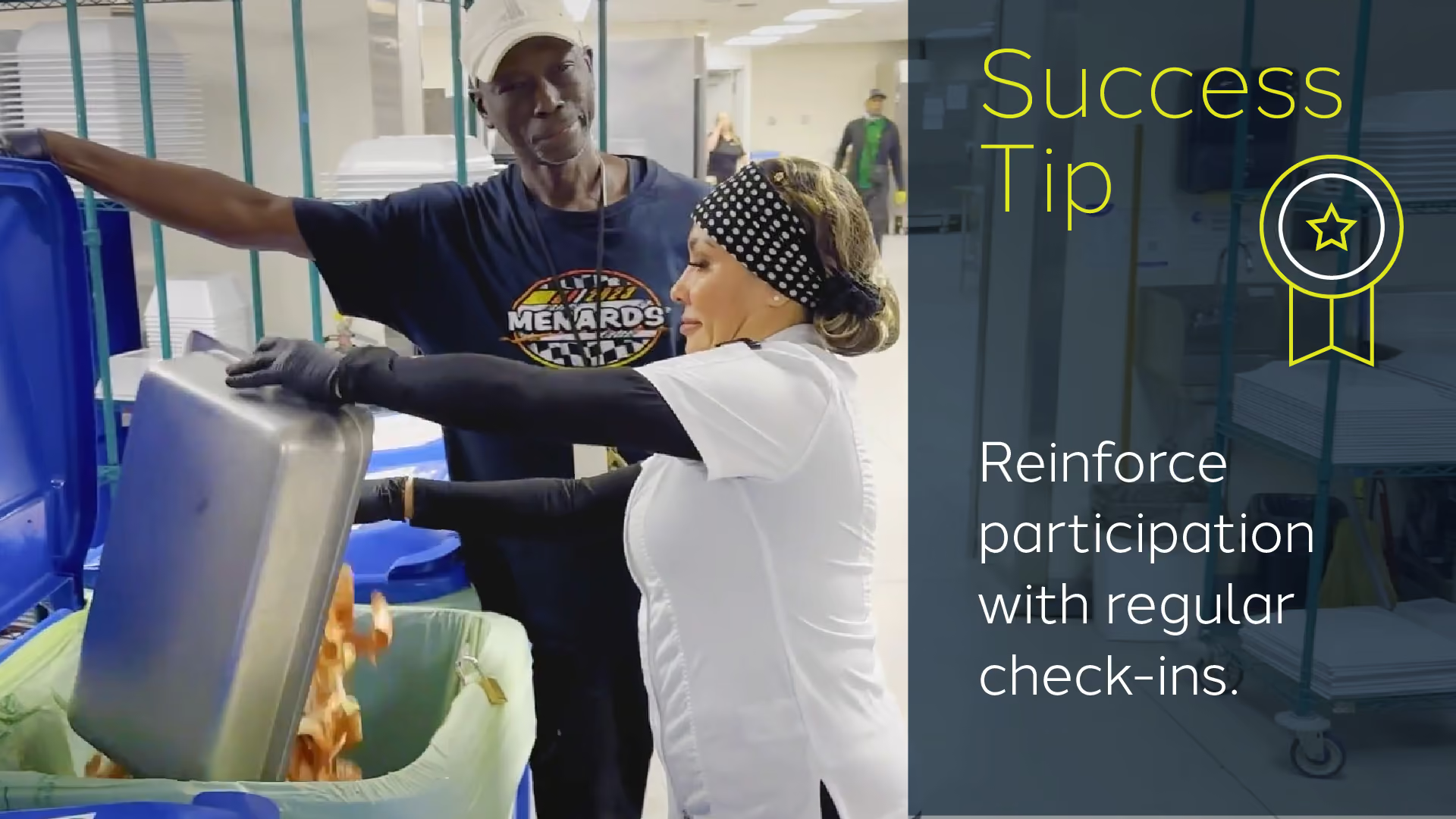
Success tip: Reinforce participation with regular check-ins
Participation is easier to maintain when expectations are regularly reinforced. Consistent reminders, periodic re-training, and simple check-ins help keep the program effective in daily operations. These touchpoints also create opportunities for employees to raise any concerns before small problems begin to affect participation.
Flexibility as operations evolve
Business operations change. Customer demand shifts, facilities are remodeled, and new employees bring fresh ideas and innovation. A food recycling program should be able to change alongside those shifts.
You may notice fluctuations in the volume of organic materials available for recycling due to inventory ordering changes, and as seasonal changes bring in different types of product inventory; for example, an increase in melons during summer. Procedures that work during slower periods may cause chaos during busy seasons. New products or product re-sets can create similar pressure. This is where a scalable recycling network can help programs adapt as operations evolve.
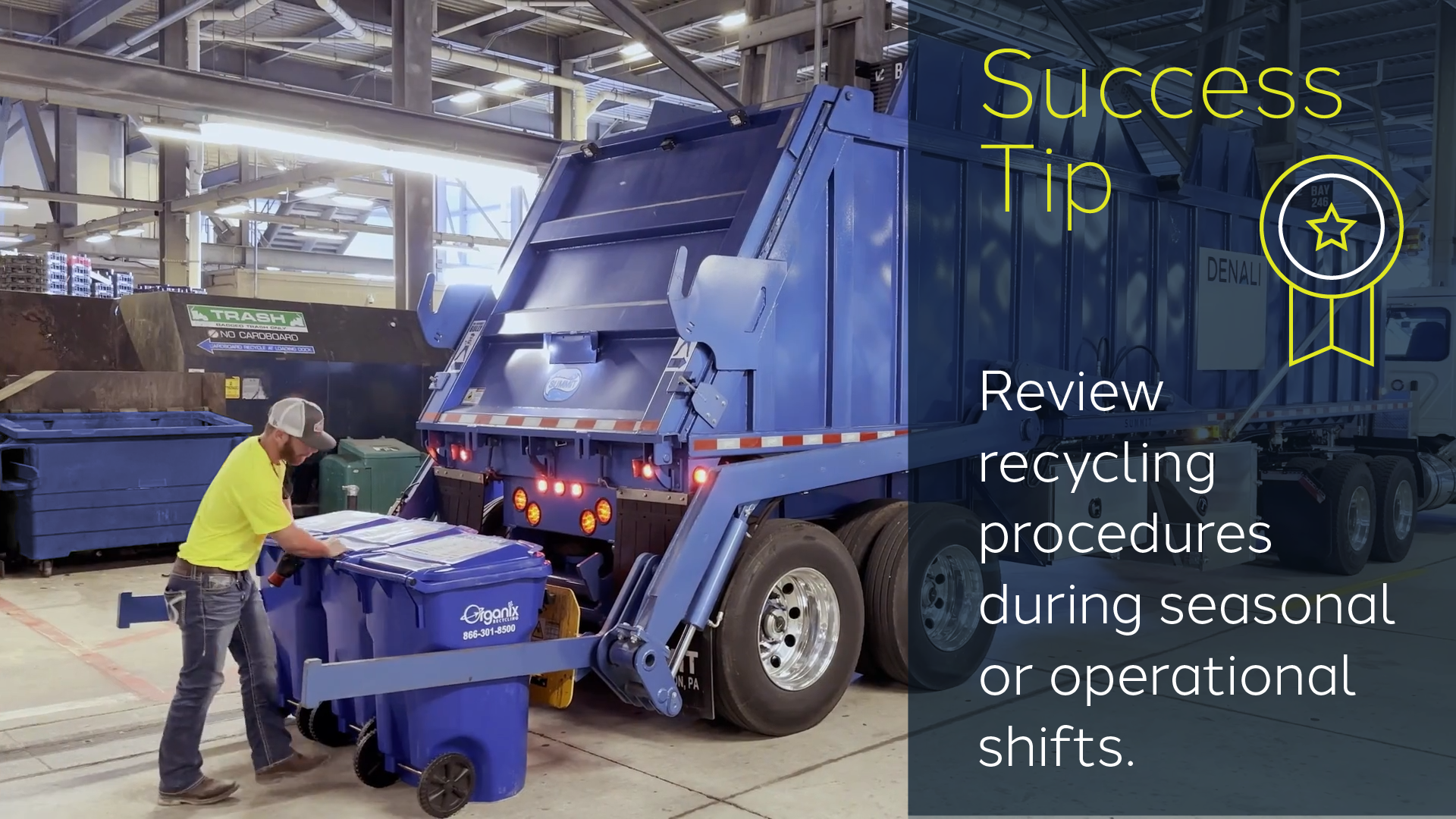
Success tip: Review recycling procedures during seasonal or operational shifts
Seasonal product and volume changes, staffing turnover, increases in donations, flash sales, and expansion can all affect how well a program functions day to day. Regular reviews help teams catch points of friction early and adjust procedures before those issues begin to affect performance.
Using data to guide improvement
Data is one of the most powerful tools in managing a food recycling program. But it’s not just about collecting numbers for quarterly or annual reports. The real value comes from using that data to identify trends, pinpoint problems, and uncover opportunities to expand or improve performance.
The first step in leveraging data is identifying the key performance indicators (KPIs) that matter to your company. KPIs can include things like diversion rate, training completion rate, lowering hauling costs, increasing food donations, pick-up frequency, landfill diversion, and emission reduction. Be sure to also regularly review feedback and see if employees are raising larger themes.
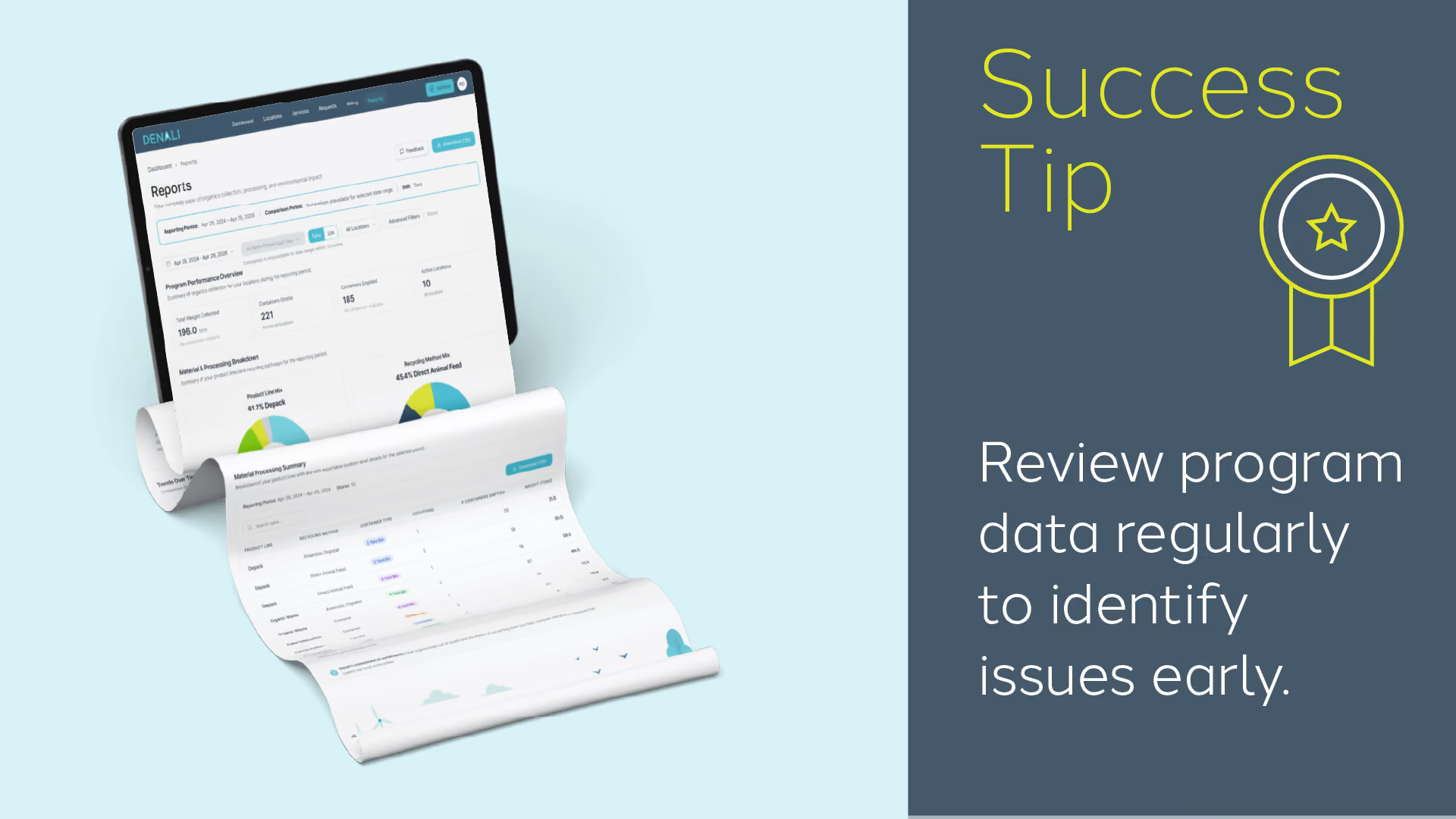
Success tip: Review program data regularly to identify issues early
Tracking landfill diversion rates, contamination levels, and collection frequency helps teams see progress or areas of need for improvement. Reviewing these numbers regularly allows managers to investigate the cause and adjust before small issues grow into larger operational problems. Many organizations use this type of operational data to continuously refine their sustainability efforts.
Active management and operational oversight
By now, you can probably tell that food recycling is not a set-it-and-forget-it type of initiative. It requires active participation, management, and monitoring to keep the program working as intended. Programs that last are supported by consistent oversight from managers and staff across the organization. Your food collection and recycling partner should actively monitor performance as well, reaching out to support you with training refreshers if they see a dip in results, or contamination in containers.

From launch to longevity
Launching a food recycling program is only the beginning. Ongoing attention to participation, feedback, data, and goals helps ensure the program continues to perform over time. As business needs and daily operations change, food recycling practices should be reviewed and adjusted to match.
Discover how Denali supports long-term food recycling programs, and contact us to help get yours started on the right path.

Learn more about Denali’s services
Join thousands of businesses turning unsold food and organic waste into valuable new products. Partner with Denali for reliable service—and drive meaningful, sustainable impact.