Innovative recycling for food manufacturers
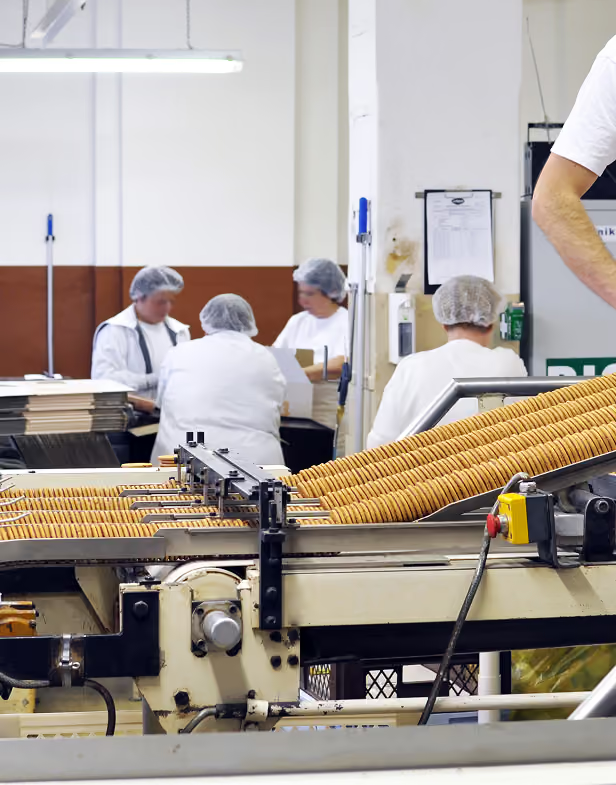
Denali delivers industrial-scale solutions for food waste streams. We handle bulk liquids, palletized goods, and production residuals with total traceability.

Schedule service today
Why major processors partner with Denali
Volume and scale
Take advantage of a partner with a national infrastructure. Whether you need to move tanker loads of liquid or truckloads of palletized distressed goods, we have the fleet and facility network to handle industrial surges.
Brand protection
Your off-spec product must never reach the secondary market. We provide secure destruction services for expired or recalled goods, offering Certificates of Destruction to guarantee your brand's integrity.
Cost reduction
Landfilling heavy organic materials or palletized goods is expensive. We offer specialized recycling streams for everything from DAF skimmings to packaged goods, significantly lowering your disposal, transportation, and landfill fees.
How it works:
your resources, reimagined
Scalable solutions
We design an industrial landfill diversion program that integrates seamlessly into your workflow.
Reliable collection
We ensure reliable, high-volume pickups to keep your plant operations running smoothly.
Repurpose organic waste
We transform your food byproducts into valuable resources like natural fertilizer and animal feed, extending the value of food through recycling.
Track results
We provide the certified data needed to verify your total environmental impact.
Manufacturing and processing FAQs
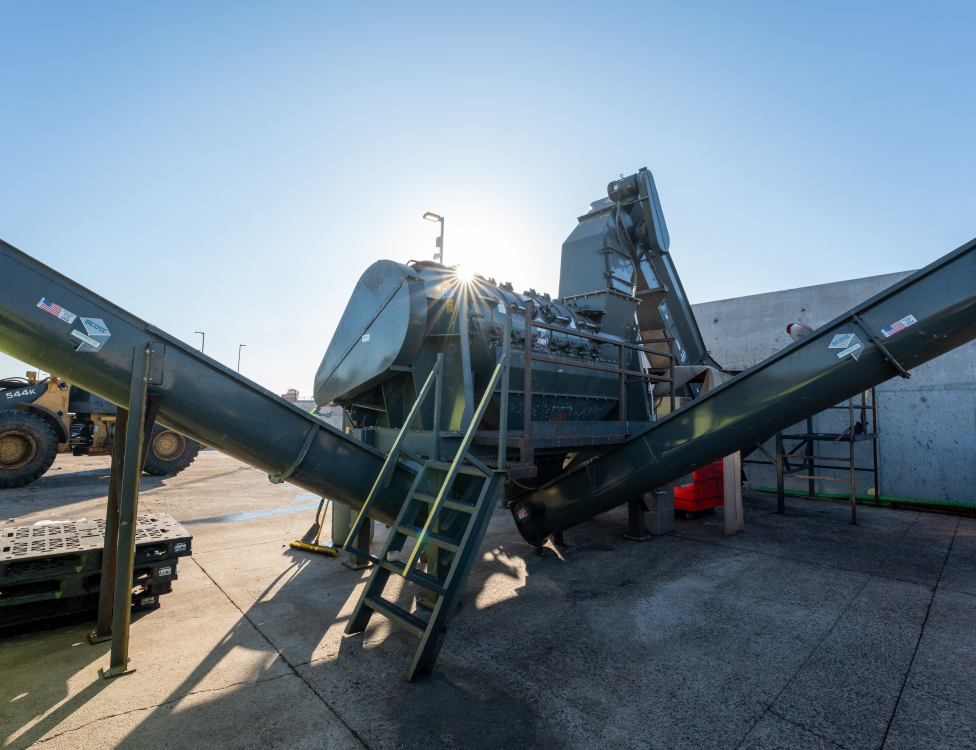
A distressed load includes any organic inventory, packaged or not, that cannot be sold due to expiration, temperature issues, packaging damage, or tampering. We handle these sensitive loads quickly to clear your dock doors. We also specialize in bulk depackaging. If you have pallets of expired, off-spec, or damaged packaged food, your staff will not need to unbox it. Our mechanical depackaging technology separates the organic material from the plastic or cardboard packaging. The food is recycled into compost or feed, the packaging is recycled where possible, and you save on labor costs.
Yes. We are experts in food processing residuals. We pump and haul DAF skimmings, and other liquid byproducts from processing plants. We can also provide dewatering services to reduce the volume of material you need to transport, further lowering your operational costs.
Yes. Transparency is standard, not a premium add-on. We provide detailed reporting on your organic streams, helping you track performance and validate your sustainability goals without chasing down data.
Yes. Your brand safety is our priority. For loads that must be destroyed rather than donated, we provide formal certification verifying that the product was processed and recycled, ensuring it never re-enters the marketplace.
For large distributors and manufacturers, we offer efficient back haul solutions. Instead of dedicated pickups, unsold food can be returned to your distribution center on your existing fleet, where we collect it in bulk. This reduces transportation costs, lowers carbon emissions from fewer trucks on the road, and integrates recycling into your existing logistics chain.
Denali avoids the "one-size-fits-all" pricing models common in the industry. We audit your actual volume and stream composition to build a cost-effective program that maximizes value, ensuring you aren't paying for equipment or capacity you don't need.
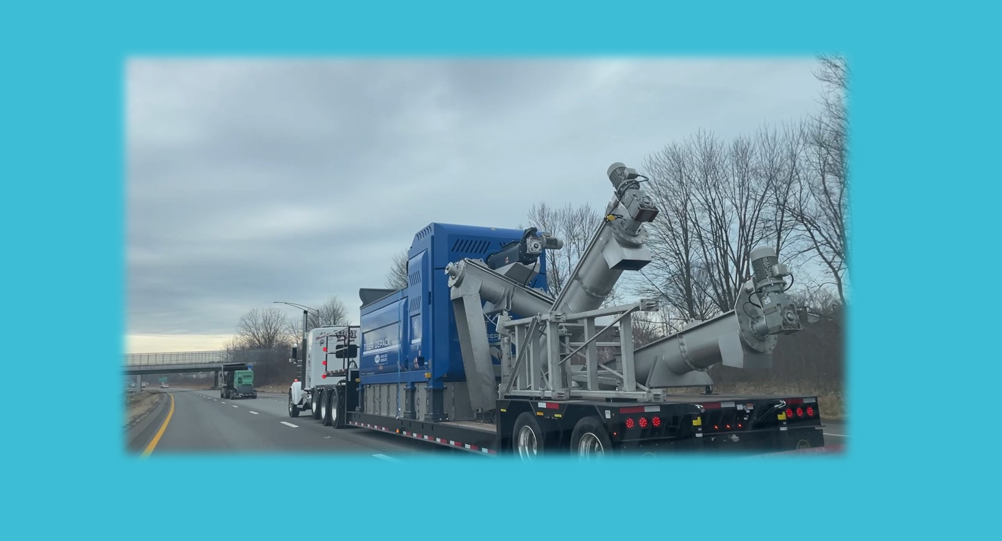
Absolutely. Unlike competitors who force rigid, oversized "Cadillac" systems into your dock, Denali specializes in right-sized solutions. We assess your specific footprint and volume to install equipment that fits your operation, not the other way around.
Yes. We understand that not every disposal needs a full truckload. Denali offers flexible scheduling to manage partial loads or Less-Than-Truckload (LTL) volumes efficiently.
Bulk organics recycling & depackaging
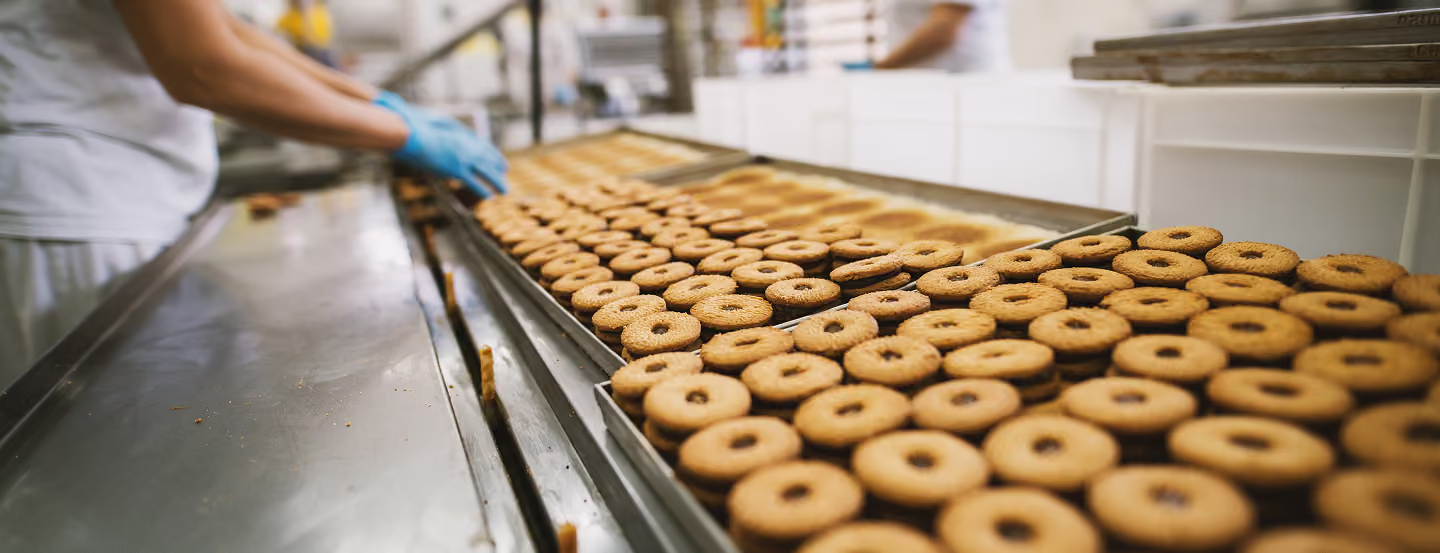
Streamline disposal for off-spec ingredients and finished goods. We combine industrial-scale collection with advanced depackaging technology to process thousands of pounds per hour. Our systems separate organic material from packaging — aluminum, plastic, or cardboard — allowing you to divert 100% of a distressed load without the cost of manual labor.

Food recycling is just the beginning
In addition to our food waste recycling programs, we also offer a range of other services to help your facility thrive. Depending on your location, you may have access to:
- Liquid destruction & palletized waste recycling
- DAF Skimmings & dewatering services
- Used cooking oil recycling
- Grease trap & interceptor services
- Emergency recycling & depackaging
Our knowledgeable consultants can help review your current operations to identify areas of improvement and potential cost savings. We’ll work closely with you to create a customized solution that meets your specific needs. We’ll guide you through the process to make sure your plant is running as efficiently and sustainably as possible.
Manufacturing industry insights & impact


Need service?
Contact us today!
From tailored systems to full-service support, Denali delivers reliable, scalable solutions that keep your operations running smoothly.