Animal feed from bakery and food manufacturing waste — here's how it works


Key Takeaways
- Dry food manufacturing byproducts like bakery trim, cereal fines, snack chips, and cottonseed are nutritionally dense and well-suited for recycling into animal feed
- Grain- and carbohydrate-rich byproducts, including expired dog and cat food, have established demand from livestock feed markets, particularly poultry and swine
- Using traditional disposal methods for these dry byproducts leaves commodity value on the table
- Denali manages dry food materials as a distinct service line with infrastructure scaled for manufacturing volume
A lot of what leaves food manufacturing facilities and bakeries as disposal isn't waste in any meaningful sense. Bakery trim, snack chip fines, off-spec cereals, and cottonseed are nutritionally dense, grain- and carbohydrate-rich materials with real demand in livestock feed markets. In many cases, these materials are disposed of simply because operations doesn’t have a program in place to recover their value.
This post covers what qualifies as animal feed ingredients, how the stream works, and what it takes to move dry byproducts into a valuable feed outlet instead of a costly disposal stream.
What qualifies for animal feed recycling
Animal feed eligibility comes down to nutritional profile and material condition. Dry, grain- and carbohydrate-rich byproducts are energy-dense — exactly what livestock rations are formulated around. If the material is dry, and uncontaminated, it’s easy to divert from landfills and into animal feed without intense processing – making it ideal to recycle instead of throwing it away.
In practice, that covers a wide range of common food manufacturing byproducts – materials that contain carbs, yeast and gluten:
- Bakery trim and off-spec product
- Baker residuals
- Snack chips and “puffed snacks”
- Cereal fines and off-spec grain-based material
- Cottonseed and oilseed byproducts
The eligibility factors worth knowing upfront:
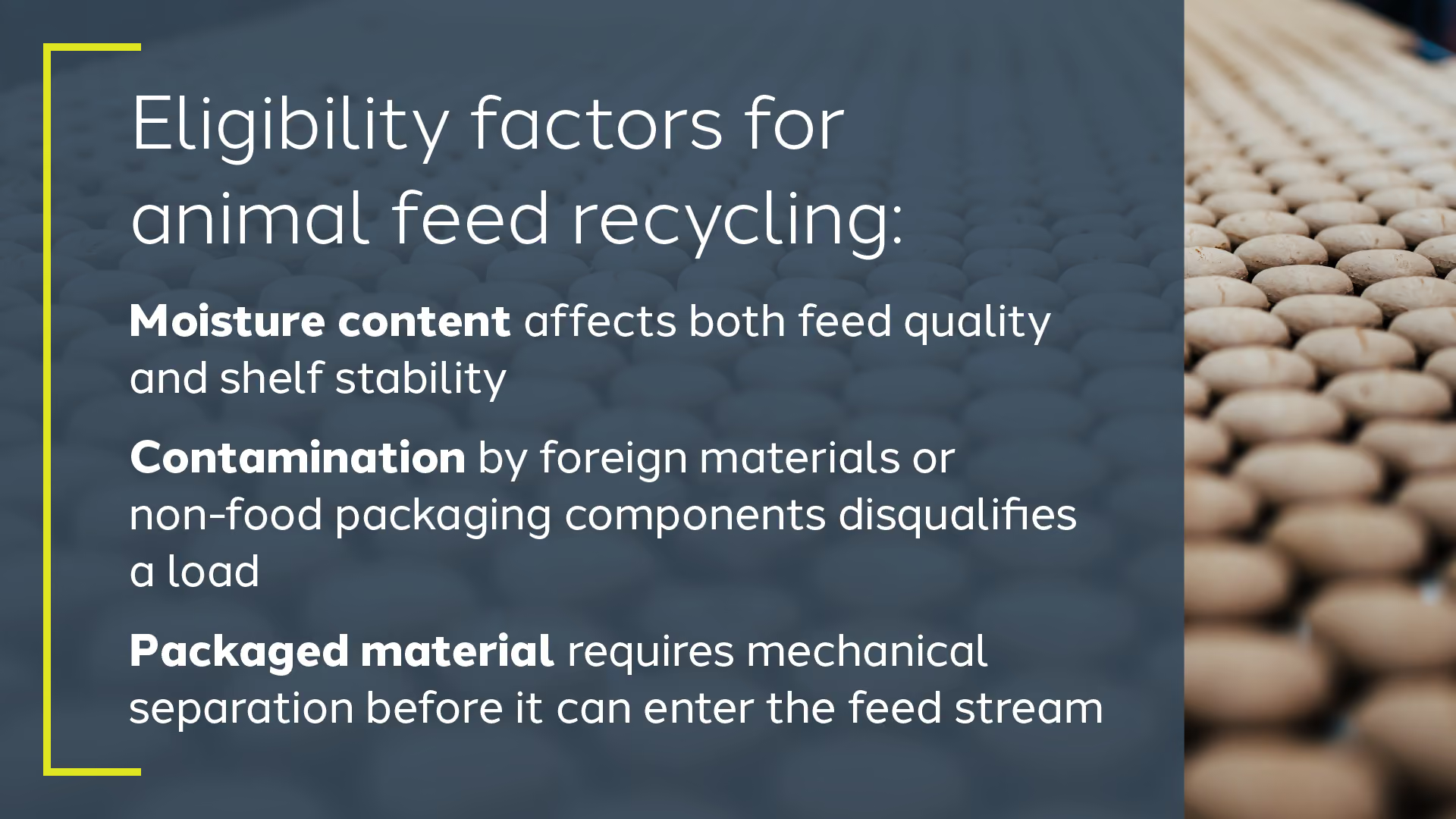
- Moisture content affects both feed quality and shelf stability
- Contamination by foreign materials or non-food packaging components disqualifies a load
- Packaged material requires mechanical separation before it can enter the feed stream
Denali has processes to collect and process all of these materials, whether it’s transporting qualified materials from food manufacturers directly to farms, or collecting bakery items and byproducts and processing them into feed for cattle. Even expired dog and cat food can be processed into feed for hogs, aquaculture, and poultry.
Why livestock feed markets want this material
Livestock feed formulation is built around energy density. Poultry and swine rations in particular require high concentrations of digestible carbohydrates — the kind that grain- and starch-based byproducts deliver naturally. Bakery trim, snack chip fines, and cereal-based material are a reliable and cost-effective source of the calories livestock operations, often a competing supplement to corn, which is reliant on supply and demand pricing. Cottonseed occupies a slightly different position. It's a recognized commodity ingredient in cattle feed, with established markets and consistent demand from dairy and beef operations. Oilseed byproducts more broadly have decades of use in commercial rations behind them.
The demand exists, and the outlet infrastructure is already in place. What most food manufacturers lack is a program designed to capitalize on both.
How the material moves from facility to feed outlet
Getting dry byproducts into a feed outlet requires more than scheduling a pickup and this is where Denali provides end-to-end support for any size bakery or food manufacturing facility. We ship materials in the proper condition to meet feed ingredient standards.
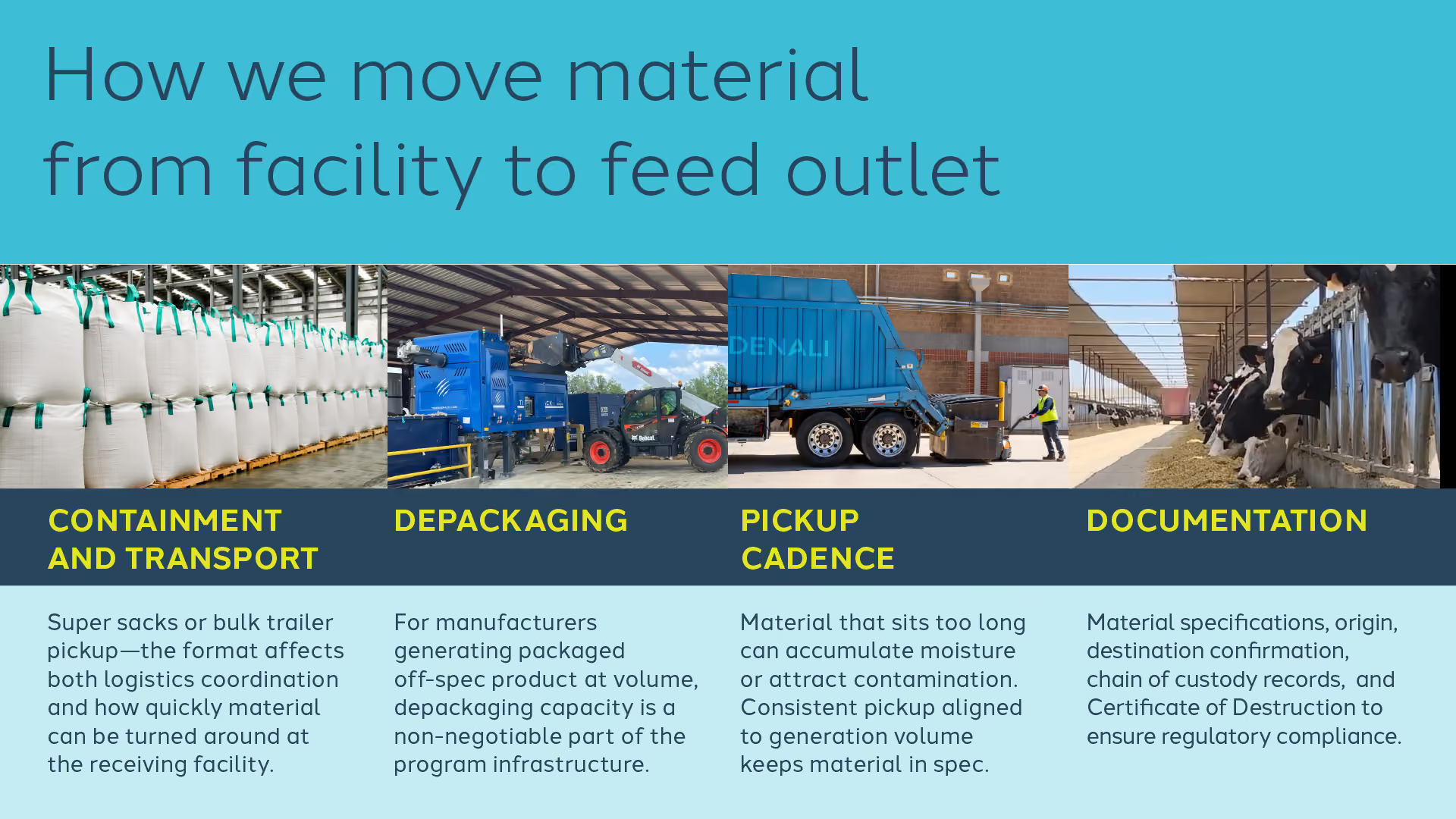
Containment and transport format depend on material volume and form. Loose bulk material typically moves in supersacks or bulk bags while higher-volume operations may stage material for bulk trailer pickup. The format affects both logistics coordination and how quickly material can be turned around at the receiving facility.
Depackaging is a required step when material arrives in consumer or industrial packaging such as bags, boxes, pouches, or cartons. Mechanical separation removes packaging material before the product enters the feed stream. Loads that skip this step aren't feed eligible. For manufacturers generating packaged off-spec product at volume, depackaging capacity is a non-negotiable part of the program infrastructure.
Pickup cadence is set around production cycles. Dry byproducts are lower risk than perishable organic streams, but material that sits too long can accumulate moisture or attract contamination. Consistent pickup aligned to generation volume keeps material in spec.
Documentation travels with every load: material specifications, origin, destination confirmation, chain of custody records, and Certificate of Destruction to ensure regulatory compliance. Feed ingredient markets require it, and the same records serve ESG reporting and diversion tracking for sustainability teams. These operational steps are at the heart of Denali’s comprehensive food recycling operations.
What it takes to run this at manufacturing scale
Dry byproduct programs work differently at manufacturing scale than they do at the facility level. Feed outlet relationships, volume minimums, documentation requirements, and depackaging capacity all need to be in place before a program can run consistently. Most food manufacturers aren't set up to manage those elements independently.
Depackaging capacity is the other variable. Not every manufacturing facility generates packaged off-spec material, but those that do need mechanical separation handled at volume and on a reliable schedule. Depackaging is built into how Denali structures dry byproduct programs for manufacturing and bakery customers that need it.
From disposal line item to recoverable commodity
Dry byproducts managed as disposal generate one outcome: cost. The same material managed as a feed ingredient generates a different set of outcomes — reduced disposal spend, potential commodity offset depending on volume and market conditions, and landfill diversion documentation that feeds directly into ESG reporting.
Denali works with food manufacturers and bakeries across the country to recover value from dry manufactured byproducts, off-spec or expired items. Learn more about Denali's food manufacturer services and contact us to get started.

Learn more about Denali’s services
Join thousands of businesses turning unsold food and organic waste into valuable new products. Partner with Denali for reliable service—and drive meaningful, sustainable impact.