From grocery stores and restaurants to farms and community tables, our food systems are facing closer examination as costs rise and expectations around sustainability increase. In the midst of these growing pressures, circular food systems offer businesses a reprieve — and a way forward.
Contrary to the traditional linear food path, farm to store to supper to landfill, circular systems offer regenerative options that can transform unconsumable food (food waste) into valuable resources. In this blog, we’ll dive into the key mechanisms of a circular food system, as well as the benefits it provides to both local agriculture and economy.
What is a circular food system?
A circular food system is a method of producing, distributing, consuming, and disposing of food that keeps these nutrient rich resources in continuous use. Think of it as recycling, but with organic materials. Rather than sending food to the landfill, the circular system converts unconsumable food into compost, fertilizer, soil amendments, and animal feed — products that can all be circulated back into agriculture.
But how does one turn unused food into a valuable product? It all starts with a collection process that safely transfers organic materials for sorting. If the food is still in its packaging, then depackaging technologies can be applied to mechanically separate food from its containers. Any non-organic materials that can be recycled are, while the food is sent to be converted into new products used at the beginning of the food process: food for livestock, and nutrients for the soil. Ideally, those resources are going right back to the local farms that kicked off the cycle, closing the loop.
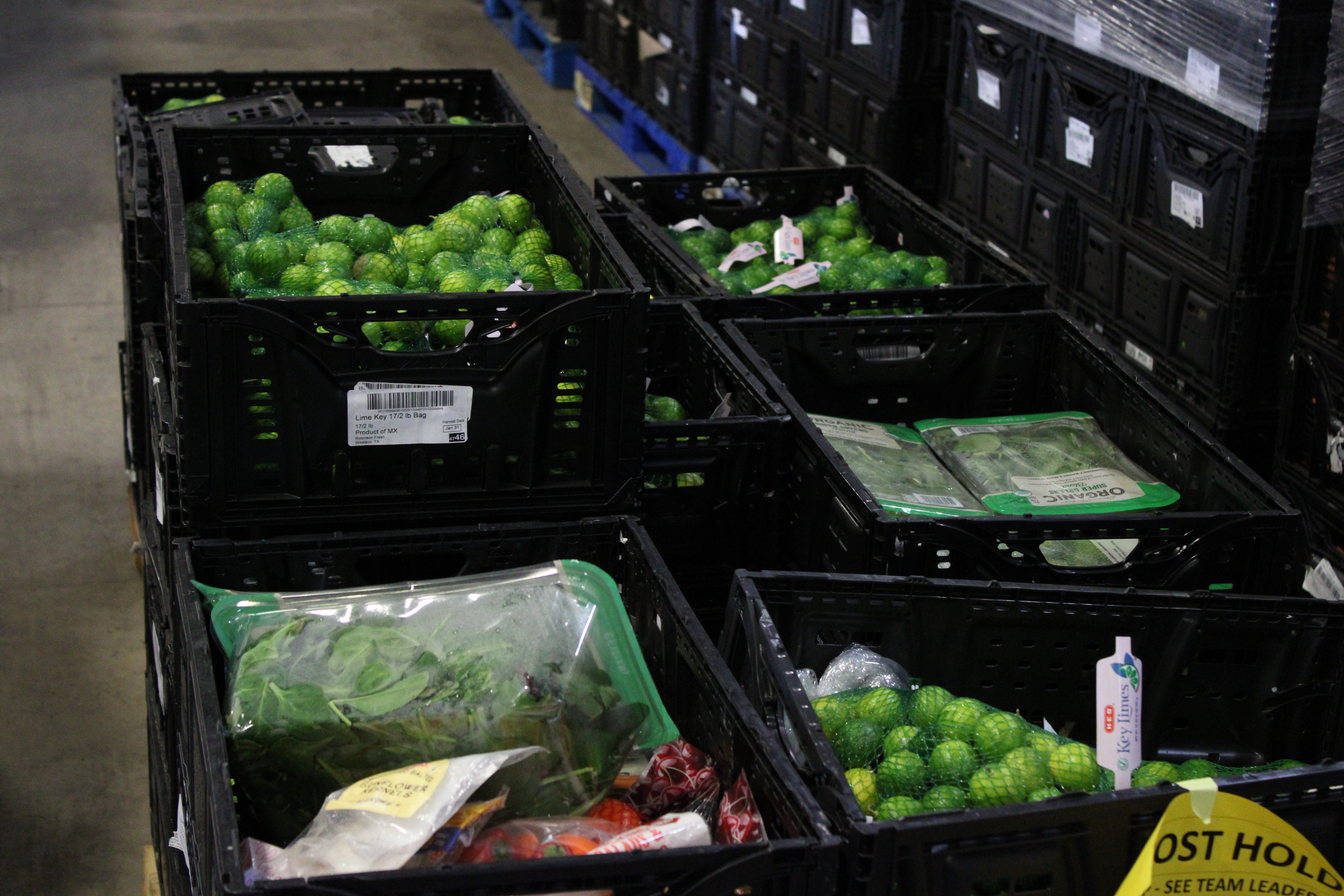
Unconsumable food can be collected from grocers, restaurants, farms, hotels, sports and entertainment event venues, and food manufacturing facilities. Pretty much any business looking for a sustainable solution for their organic material can participate and benefit from this regenerative process.

How circular food systems support local agriculture
One of the biggest beneficiaries of a circular food system is local agriculture. Most of the materials made in this process can be used directly on farms. Food and animal feed take up about 33% of a farm’s yearly budget. Liquid organic materials Denali collects from food manufacturers are provided to farmers at no cost. This can provide significant savings: in some cases, at least $100 per acre. These measures also make local agriculture more resilient. Supply chain disruption for these recoverable resources is less likely because feed and fertilizer are coming directly from the communities near them. Participating farmers don’t have to worry about scarcity with these essential supplies.
Circular food systems also have a huge environmental impact. By reducing the amount of unconsumable food going to landfills, food and agricultural businesses have a positive impact on the environment. Right now, global food systems account for about 30% of greenhouse gas emissions, but as more businesses that handle food and agriculture invest in regenerative options, that number will come down. Unused food also can improve the overall health of farms and local biodiversity. Circular fertilizers can reduce reliance on synthetic nutrients by up to 20%. Compost returns nitrogen, phosphorus, and potassium back into the soil, producing better crops in the long term.

Economic benefits of circular food systems
The economic benefits of a circular food system go well beyond improving the bottom line of local agricultural businesses. For one, these processes also save local food-related businesses money. Businesses often pay tipping fees to have their trash disposed of, and those fees are charged by weight. Tipping fees have been rising, jumping 10% in 2024 alone. By keeping unconsumable food out of the trash, businesses can cut costs.
Another way this regenerative process improves the local economy is with jobs. To support circular food systems, you need local facilities and infrastructure, which creates jobs in the surrounding community. The more businesses that participate in the system, the more employment opportunities it creates. Furthermore, the recovered resources these processes create are invested back into local businesses. Farm savings can trickle down, making produce, dairy and some meats more affordable.
Recent data shows that 78% of consumers feel sustainability is important, and another 62% actively seek sustainable products. So, circular food systems also align with consumer expectations. Having a business that focuses on sustainable measures will bring new customers and help retain current ones who prioritize purchasing from eco-conscious companies.

How to start a circular food system
Now that we have covered what a circular food system is and all the benefits it holds, it’s time to start putting these methods into action. To implement, you’ll need access to food recycling facilities located in your community. The facilities also must have the means to collect and convert unconsumable food into end products that help local agriculture.
These needs also present the biggest challenges. Setting up circular food systems takes a lot of money, time, and logistics — something that many local businesses don’t have the resources to create. This is why it is so important to partner with an organization that already has a circular food network setup, like Denali. Our team services 48 states and Puerto Rico, making a local circular food system possible. We service over 8,000 companies across the U.S., tailoring solutions to fit their specific needs.
Bring food full circle
By providing the opportunity to handle unconsumable food sustainably, the recycling process benefits farmers, food businesses, and the local economy. It also offers a “rising tide lifts all boats” approach, benefitting communities, businesses, and the environment. And while setting up a circular food system may feel challenging, it doesn’t have to be. When you partner with Denali, you get an end-to-end food recycling partner that has all the facilities and technologies in place to help your business win. Start implementing these sustainable practices today by contacting our team of experts!