Denali is here to support your sustainability journey
Tell us how we can help you achieve your environmental and business goals with smarter recycling solutions.
Tell us how we can help you achieve your environmental and business goals with smarter recycling solutions.

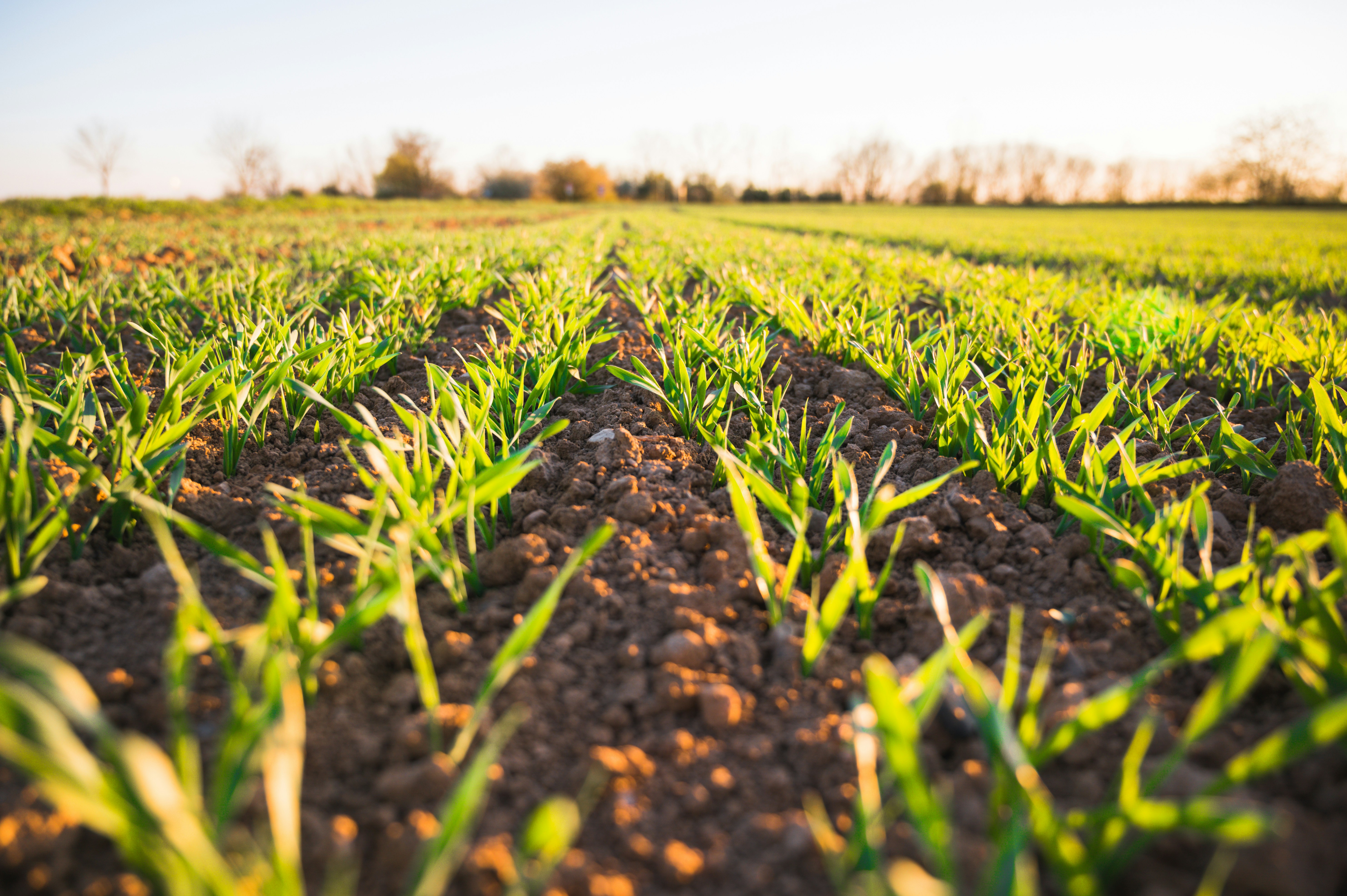
Sustainably manufactured and high-quality soil amendments that boost growth season after season.
Online ordering is now available for Farmington, Ellington, and Fairfield!
Select a location near you for facility contact information and to view available products. Online ordering is now available for Farmington, Ellington, Fairfield, and Wallingford!
4170 Platt Road, Building #2 Ann Arbor, MI 48108
235 Sadds Mill Rd Ellington, CT 06029
232 Colt Hwy Farmington, CT 06032
295 Richard White Way Fairfield, CT 06824
7101 Alico Rd Fort Myers, FL 33912
2001 Butterworth Ave. S.W. Grand Rapids, MI 49534
7800 Kabik Ct Woodbine, MD 21797
Eastern Pennsylvania
800 Co-Co Lane Columbus, NJ 08022
4944 Sands Rd Lothian, MD 20711
389 Burns Crossing Rd Severn, MD 21144
450 West Service Road Staten Island, NY 10314
15-00 Hazen Street East Elmhurst, NY 11370
Soundview Park Yard Waste Composting Facility Bronx, NY 10473
400 Torne Valley Rd Hillburn, NY 10931
WeCare Denali’s local composts are rigorously tested and a top performer in the U.S. Composting Council Seal of Testing Assurance (STA) Program.
WeCare composts are packed with beneficial microorganisms and slow-release macronutrients, serving as a powerful, eco-friendly alternative to synthetic fertilizers.
Compost Use:
Why WeCare Compost®?
Our engineered soils are customized blends made specifically for customers’ needs. We consider local requirements and unique needs for every project.
WeCare Engineered Soils™:
WeCare Mulches are produced locally throughout our many northeast locations. Made from high-quality recycled organics, our mulch actively prevents weed growth, retains vital soil moisture, and provides a polished look for landscapers.
Benefits of WeCare Mulch™:
Lightweight soils perfectly suited for green roof applications. With WeCare Compost® as a base, WeCare Roofmix™ soils are blended with other lightweight ingredients to develop multiple green roof mixtures, such as:
We also assist in the installation process by providing our expertise to overcome installation problems.
WeCare Roofmix is backed by our involvement in some of the largest green roof projects, including the Jacob K Javits Convention Center and the Croton Water Treatment Plant.
Get in touch today to help find a solution for your specific needs.
The experts at WeCare are eager to provide expert guidance on any projects related to compost, mulch, and engineered soils. We’ll offer valuable feedback on the best approach to handling the materials portion of your project.
Some of the most common are listed here:
We review hundreds of compost and soil related specifications each year. Let us help you with yours so you can focus on the rest of the project.
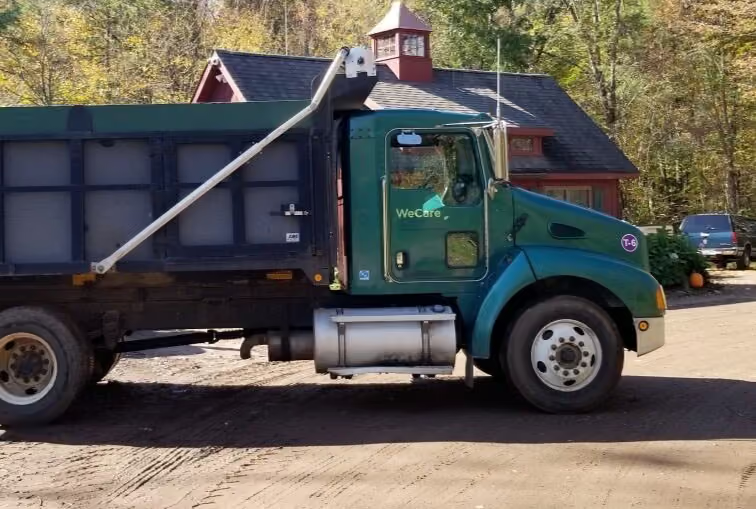
WeCare provides bulk soil amendment deliveries from our Ellington, Fairfield and Farmington locations, covering most of Connecticut.
With years of experience in compost marketing and operations, WeCare, a proud member of the Denali brand family, prides itself in offering expert educational services for customers, engineers, and architects. From one-one-one meetings to robust office-wide presentations, let our experts help you GROW.
From tailored systems to full-service support, Denali delivers reliable, scalable solutions that keep your operations running smoothly.