Liquid Gold: The untold story of cooking oil recycling in the food industry


Key Takeaways
- Used cooking oil is one of the food industry's most valuable — yet most overlooked — byproducts
- Recycled correctly, it becomes renewable biofuel, animal feed additive, soaps and automotive lubricants
- Denali's Biotane facility closes the loop, turning your kitchen's waste into low-carbon biodiesel
- Restaurants earn competitive rebates based on the volume and quality of oil they recycle
- Denali handles everything: right-sized containers, flexible pickups and transparent sustainability impact reporting
Every day, commercial kitchens across the country generate millions of pounds of used cooking oil. For a long time, that oil was treated as a liability; something that was a hassle to dispose of.
That thinking has changed.
Used cooking oil has quietly become one of the most valuable byproducts in the food industry. Recycled responsibly, it becomes biodiesel, an animal feed additive, or part of the production of soaps and lubricants. It’s a resource so reliably useful it's earned the nickname “Liquid Gold.”
Here's how it works, why it matters, and what it means for commercial kitchens.
The hidden value in waste
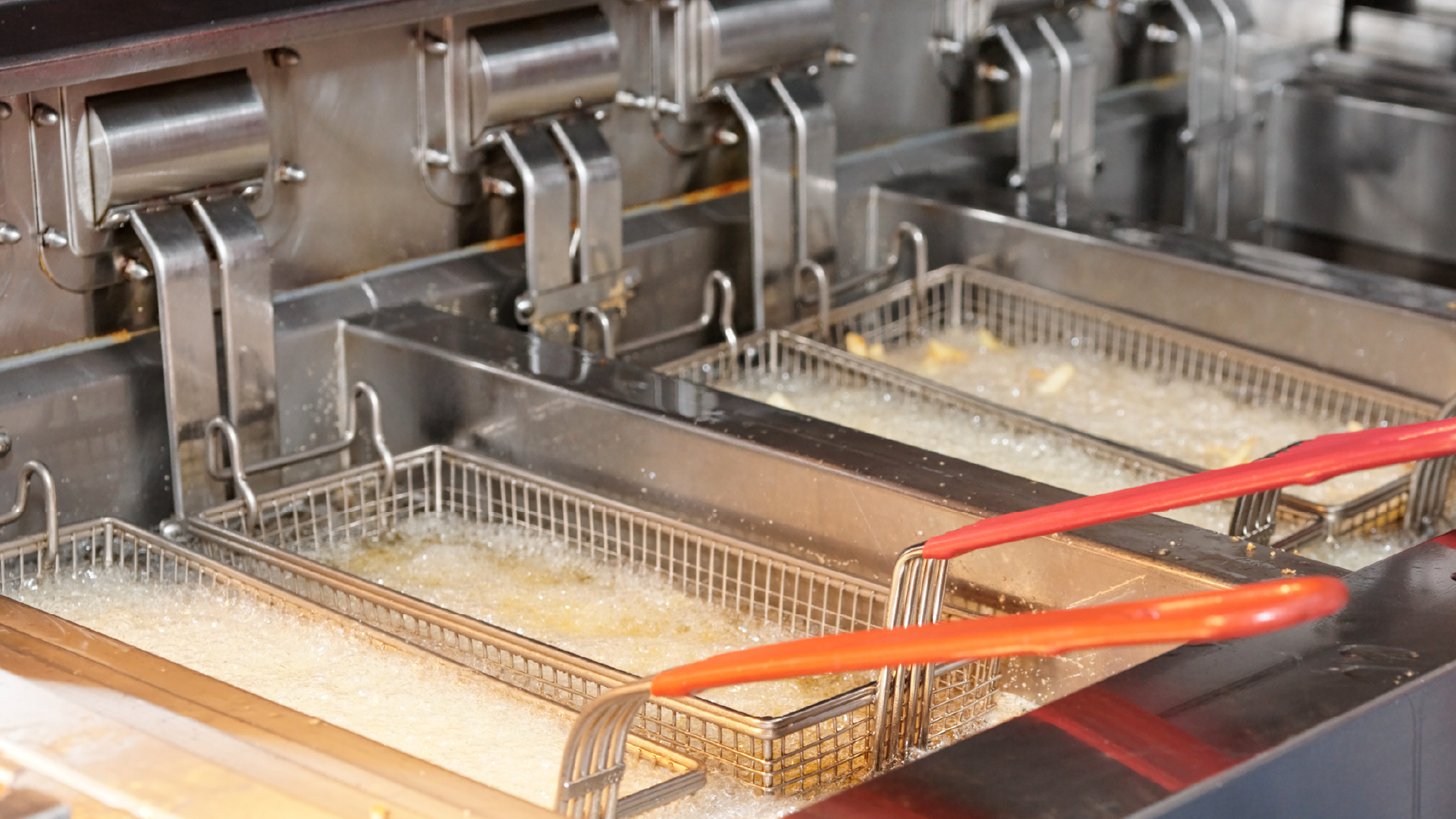
Have you ever wondered what happens to the pounds of oil used to fry your favorite crispy treats? Traditionally, this oil was discarded, seen as nothing more than waste. However, innovative minds in the food industry saw potential where others saw refuse. Cooking oil recycling is not just an act of turning waste into worth; it’s a testament to human ingenuity and respect for our planet’s finite resources.
The Golden Process: How cooking oil is recycled
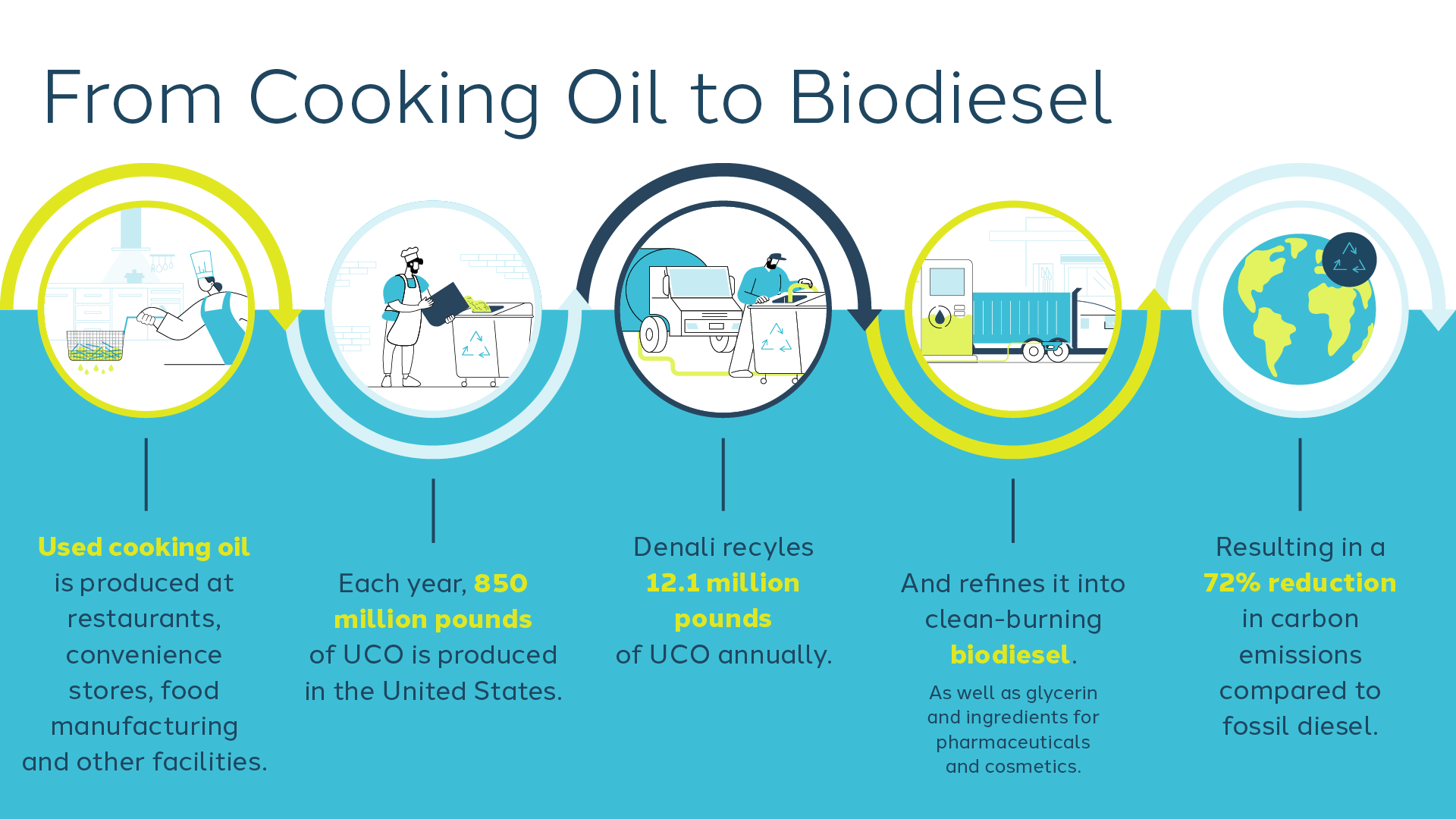
But how does this process work, and why is used cooking oil known as “Liquid Gold”? The journey of recycling cooking oil is a story of transformation. From commercial kitchens to industries you'd never expect, used cooking oil serves purposes that go far beyond the fryer, and Denali is the partner that makes it happen.
First comes collection. Denali provides custom-built, theft-deterrent containers sized to your kitchen's volume and layout, and our team handles regular pickups that don’t interrupt business operations. This means your back-of-house stays clean and your staff stays focused on food.
Once collected, the oil undergoes a purification process to remove food particles, water, and other impurities. From there, it's converted into renewable biofuel at Denali's Biotane facility, giving your kitchen’s waste a second life as a low-carbon fuel alternative. And because we track recycled volumes at every step, you'll receive transparent impact reports so you can verify your sustainability contributions with real, traceable data.
The versatile applications of recycled cooking oil
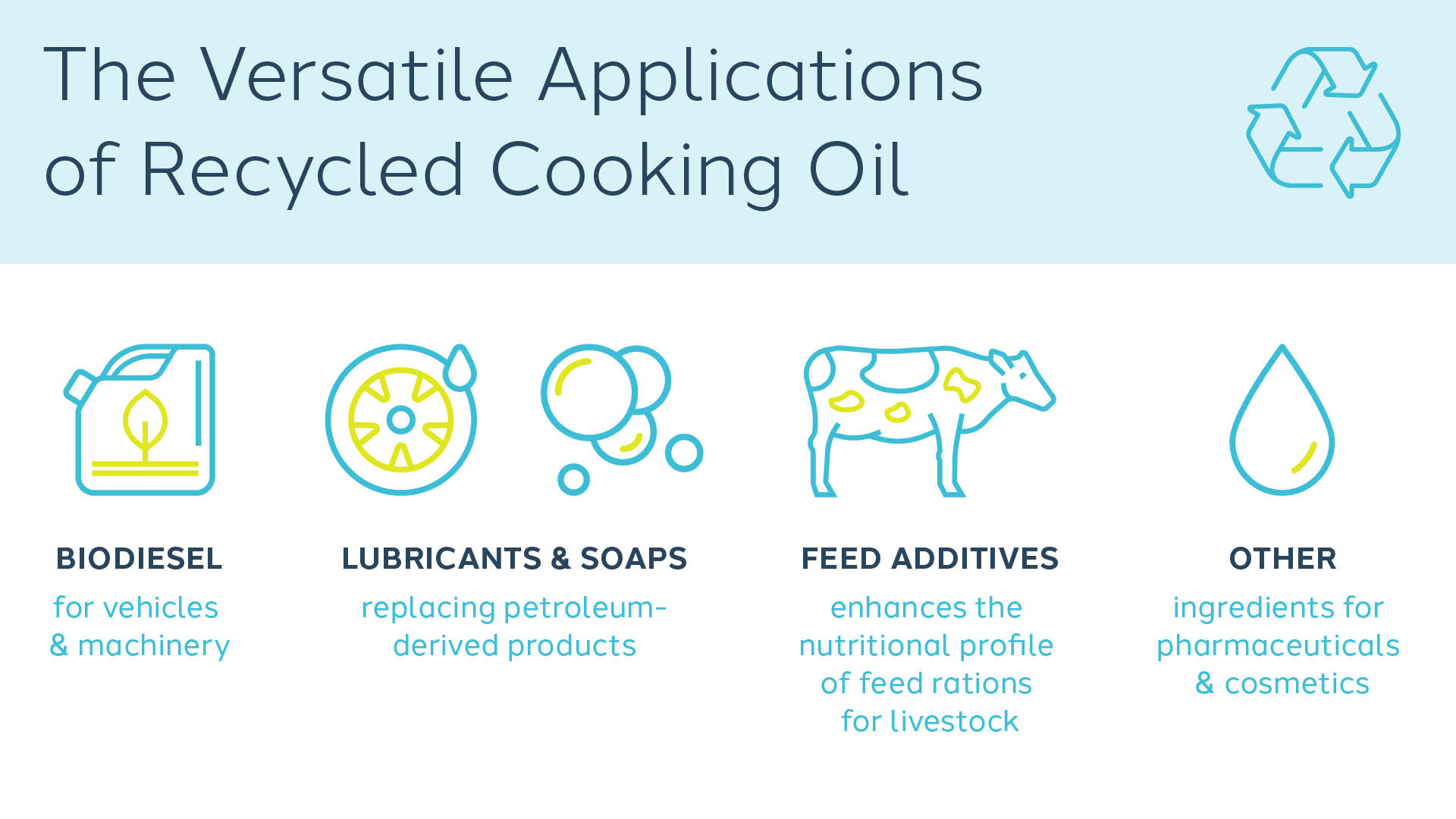
Recycled cooking oil is a marvel of versatility. The result? Two useful byproducts: biodiesel, a clean-burning fuel alternative used in vehicles and machinery, and glycerin, which finds its way into soaps, automotive lubricants, pharmaceuticals, cosmetics, and food production.
The biodiesel produced is a clean-burning alternative to traditional petroleum diesel, used in vehicles and machinery, while the glycerin byproduct finds uses in pharmaceuticals, soaps, automotive lubricants, cosmetics, and other industrial uses. Recycling used cooking oil not only provides an eco-friendly alternative fuel but also helps in reducing environmental pollution by preventing the improper disposal of oil, which can clog sewage lines.
Additionally, used cooking oil is processed into animal feed additives, providing a high-energy food source for livestock. Its fat content enhances the nutritional profile of feed rations for cattle, poultry, and other livestock. The purification process of used cooking oil recycling ensures that it is safe for animal consumption. Increasing the energy density of animal feed with used cooking oil promotes growth rates, improves the quality of meat, eggs, and milk, and promotes overall animal health.
Environmental and economic impacts of cooking oil recycling
The effects of recycling used cooking oil are significant. Hundreds of millions of pounds of used cooking oil are generated in the U.S. each year — Denali alone recycles 12.1 million pounds annually.
The environmental impact of used cooking oil recycling goes beyond reduction in greenhouse gases through the avoidance of fossil fuels:
- Biodiesel from used cooking oil burns cleaner than petroleum diesel, reducing the emission of air pollutants, especially soot that can cause asthma.
There are indirect benefits, as well:
- With the production of biodiesel, used cooking oil diversifies energy sources in the U.S. by reducing dependence on fossil fuels.
- Makers of lubricants, paints and soaps also have an alternative to petroleum-based feedstocks.
The future of cooking oil recycling in the food industry
Restaurants and food manufacturers have recognized the value of used cooking oil. Whereas it was formerly regarded as a waste, and establishments paid for its disposal, used cooking oil is now a valuable commodity. Businesses can now earn competitive rebates for their used cooking oil with returns based on the volume and quality of oil collected, meaning the more consistently you recycle, the more value you get back.
As the U.S. economy pivots away from fossil fuels in some sectors, and the current crisis in the Middle East negatively impacting gas prices, the demand for used cooking oil-based products is increasing. Often knowns as “grease theft,” used cooking oil is also coveted commodity and at times its value can be significant enough to result in theft. Thieves raid restaurants’ used cooking oil containers stored outside and often sell it to renewable fuel processors.
It will remain an important ingredient for biodiesel and a cost-competitive alternative to petroleum in the manufacturing of myriad products.
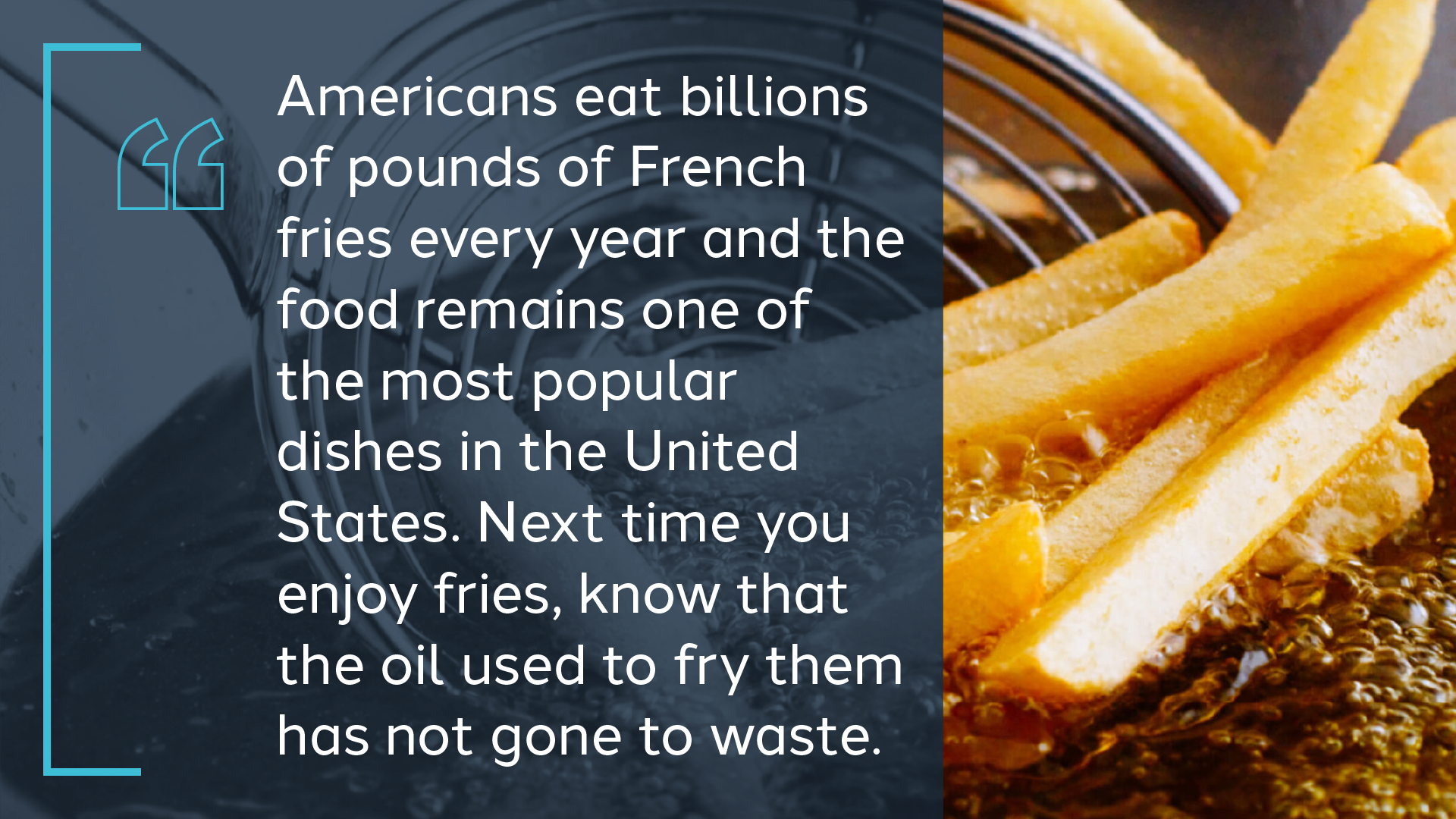
Americans eat billions of pounds of French fries every year and remain one of the most popular dishes in the U.S. Next time you enjoy fries, know that the oil used to fry them has not gone to waste.
Your fryer oil is worth more than you think
Turn it into renewable fuel, earn competitive rebates, and keep your kitchen running cleanly, all with one reliable partner. Get started with Denali today with our quick and easy scheduling tool, and we'll take it from there!

Learn more about Denali’s services
Join thousands of businesses turning unsold food and organic waste into valuable new products. Partner with Denali for reliable service—and drive meaningful, sustainable impact.