Super Bowl Parties Produce Tons of Trash. Phoenix Is Hoping to Fix That



For Super Bowl LVII, Phoenix is partnering with an Arkansas startup to divert 2,000 tons of football-party food waste from landfills.
By
February 10, 2023 at 4:00 AM MST
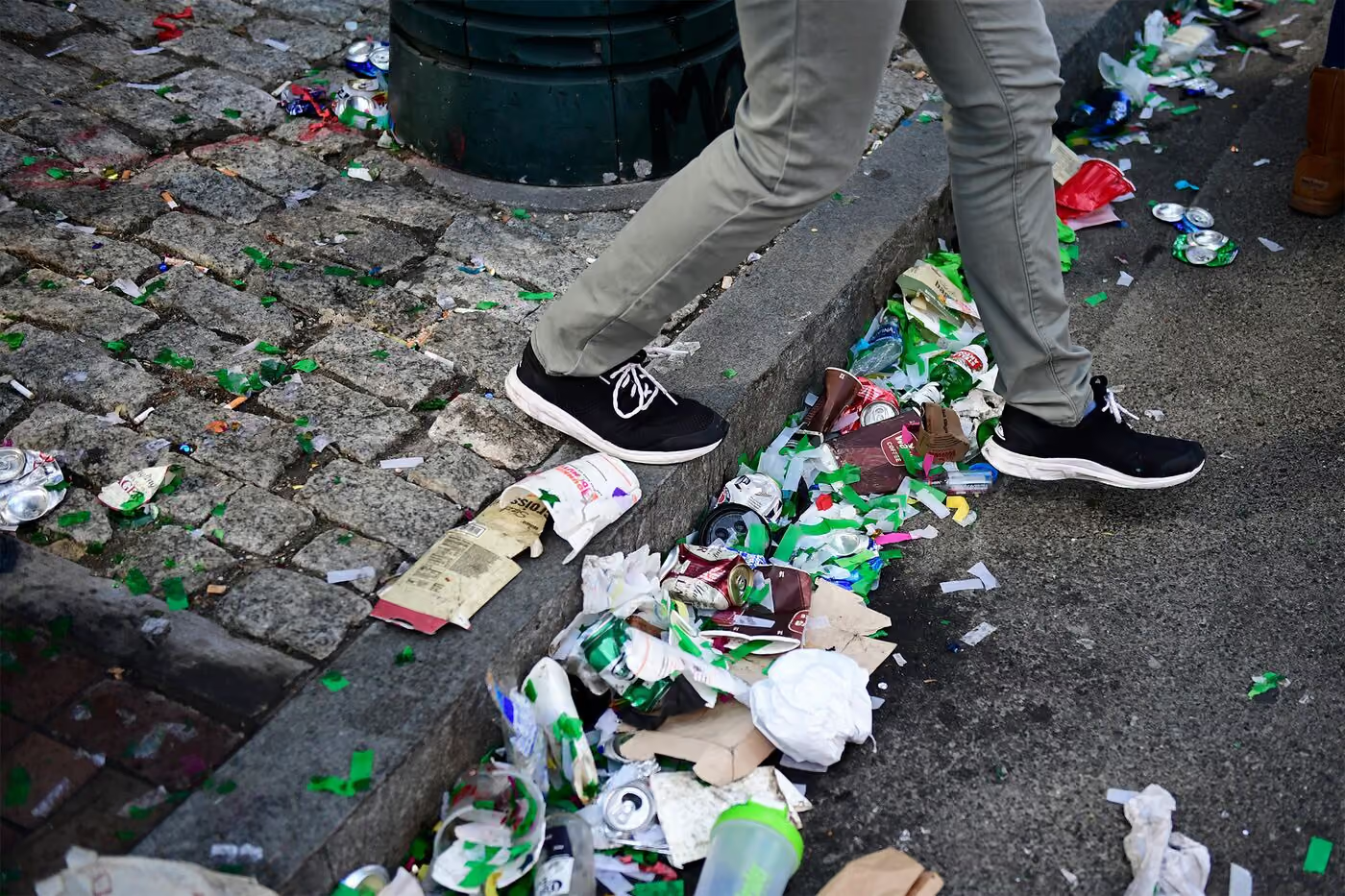
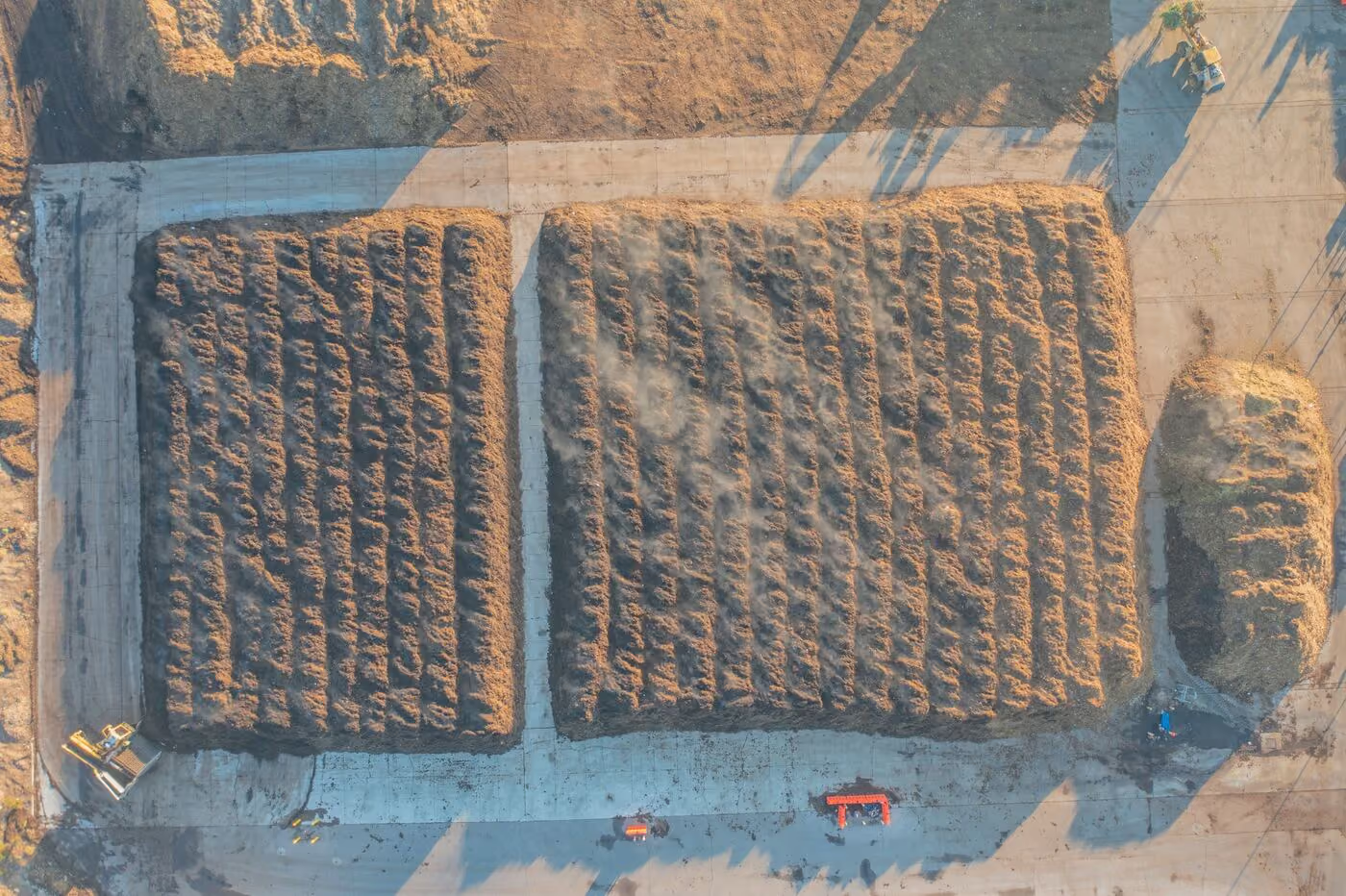
Super Bowl LVII, which goes down between the Philadelphia Eagles and the Kansas City Chiefs on Feb. 12, is sure to feature trash talk. But host city Phoenix is aiming to minimize the amount of actual trash from game-day events that ends up in landfills.Officials anticipate Phoenix hosting hundreds of thousands of football fans this weekend; the city's Sky Harbor airport expects foot traffic on the day after the game to be 50% higher than usual. With all those visitors, at least 2,000 tons of food waste is expected to come out of events sponsored by the Phoenix Super Bowl Host Committee. The city is aiming to divert at least 90% of that trash and food away from landfills as part of a larger mission to make this year’s big game “zero waste.”At the center of the effort is Phoenix’s public works department, which is hoping to compost most food waste and is enlisting the help of Russellville, Arkansas-based Denali Water Solutions LLC, a company that operates 36 composting facilities across the US and processes food waste for supermarkets like Albertsons, Safeway and Texas grocery chain HEB. Denali and the city of Phoenix hope the initiative promotes sustainable practices at sporting events across the country, which produce roughly 39 million pounds of waste every year, according to one 2014 EPA estimate.
There is one caveat: Phoenix’s Super Bowl initiative doesn’t apply to the State Farm Stadium – located in Glendale, Arizona – where Sunday's game will take place. There is no nearby composting facility, and a spokesperson for Glendale’s city government said that its solid waste division would not be providing any services related to the Super Bowl.
Jack Groh, director of NFL Green, the National Football League’s environmental initiative, says the league is working with State Farm Stadium to minimize game-day single-use plastics making their way to landfills, and to make sure that unused food goes to local farmers as animal feed. A typical NFL game can produce 30 to 40 tons of solid waste on average, Groh says, while a Super Bowl tournament produces closer to 55 or 60 tons.
This is Phoenix's second swing at this type of environmental initiative. The city also hosted the Super Bowl in 2015, when it aimed to divert 80% of game-day-event trash away from landfills. Mayor Kate Gallego told Bloomberg that Phoenix was ultimately only able to divert roughly 72% of trash, calling it a “very significant” figure for the time.
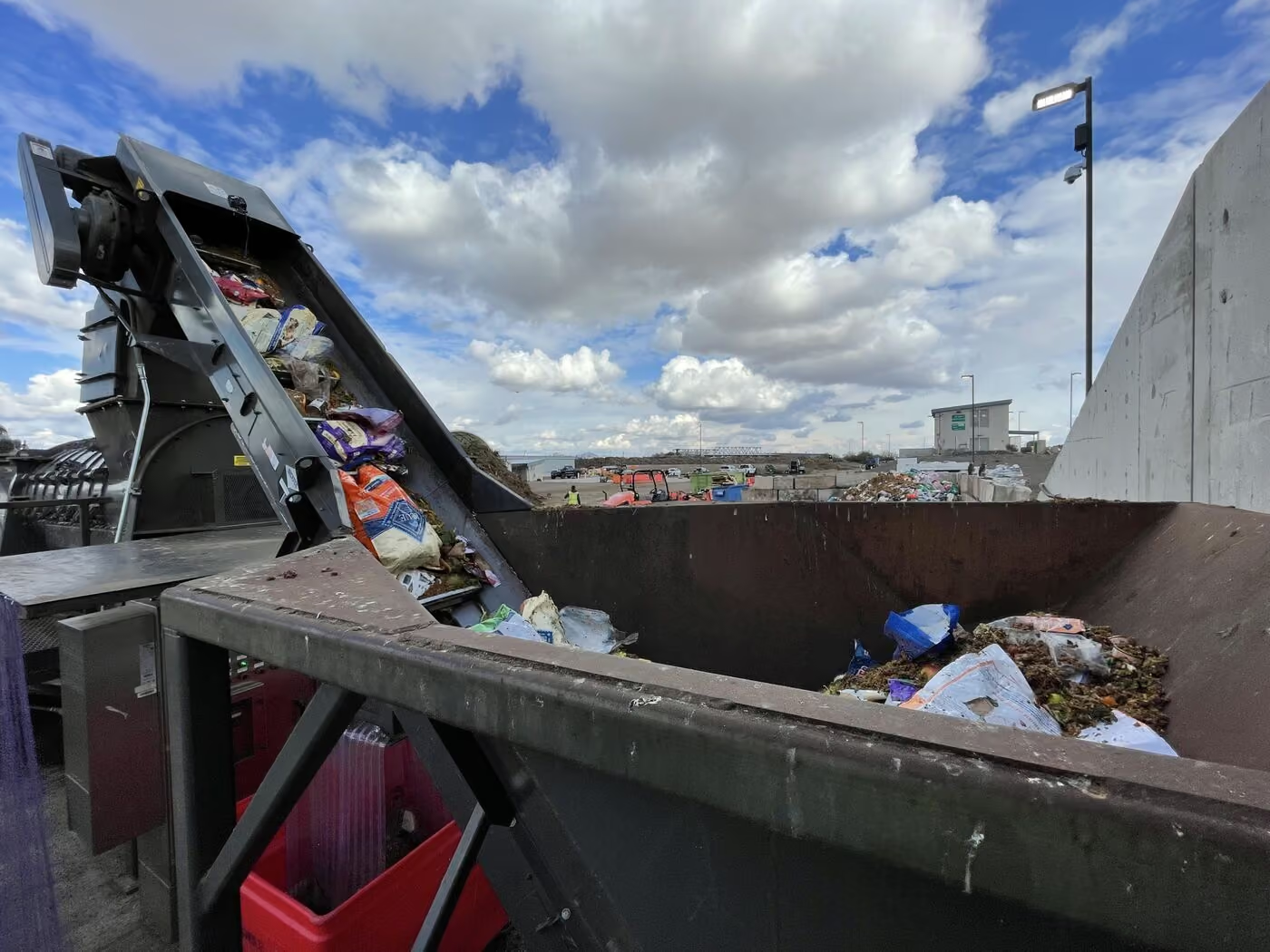
One of the hurdles to keeping trash out of landfills will be making sure fans put that trash in the right place, and that there is enough infrastructure in place to separate food from its packaging, said Oscar Rodriguez, who manages Denali’s three Phoenix-area facilities.
The company, which reported $800 million in revenue for the year ended Dec. 31, says its machinery is capable of separating plastic from organic waste, using a food depackager that can process 15 tons of waste an hour.
Denali and Phoenix officials have yet to determine exactly how much waste will be diverted away from landfills over the weekend, but Groh cautions that zero waste is not always achievable given the amount of trash that can’t be composted or recycled.

Learn more about Denali’s services
Join thousands of businesses turning unsold food and organic waste into valuable new products. Partner with Denali for reliable service—and drive meaningful, sustainable impact.