How to Reduce Food Waste With Technology

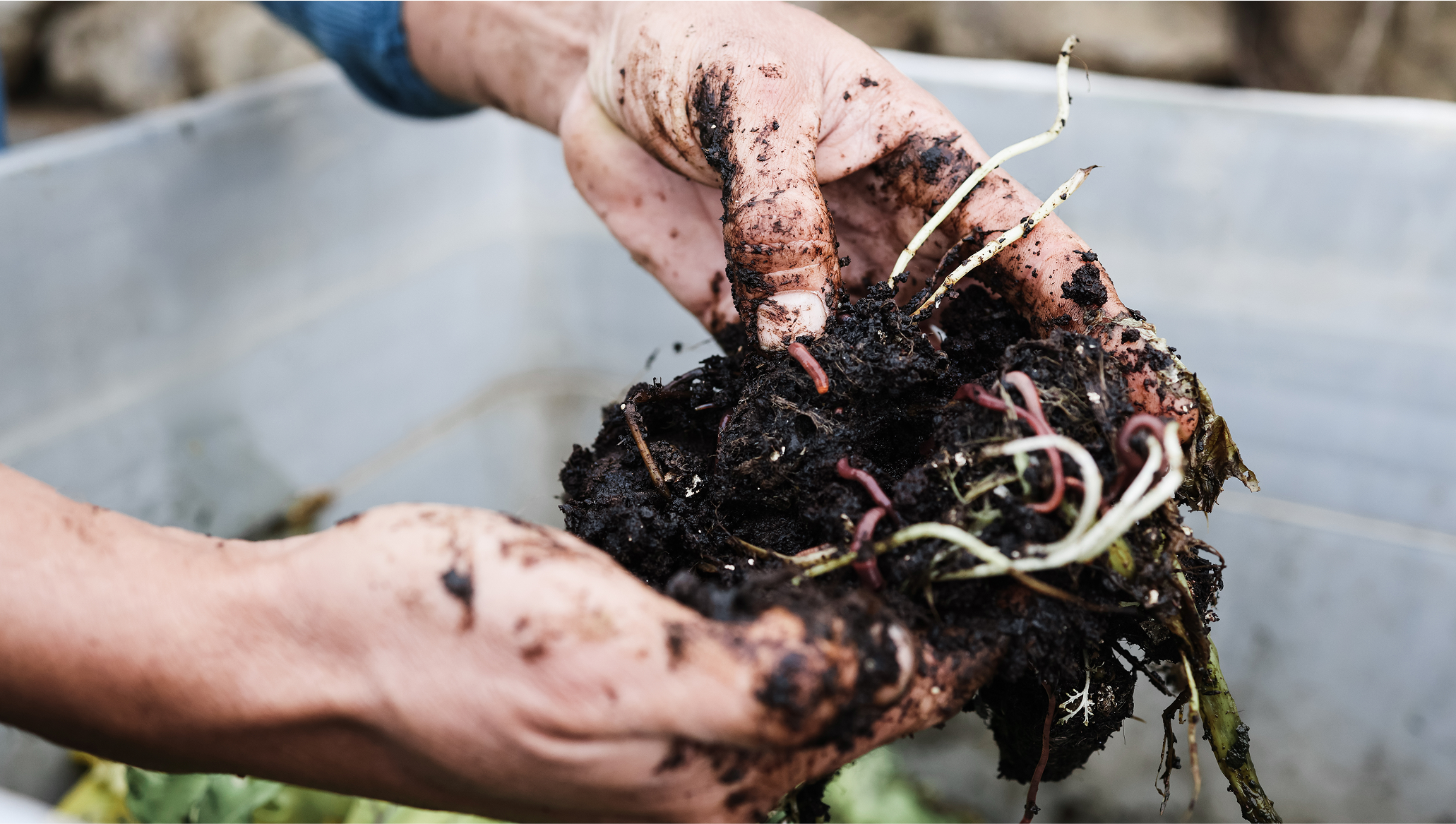

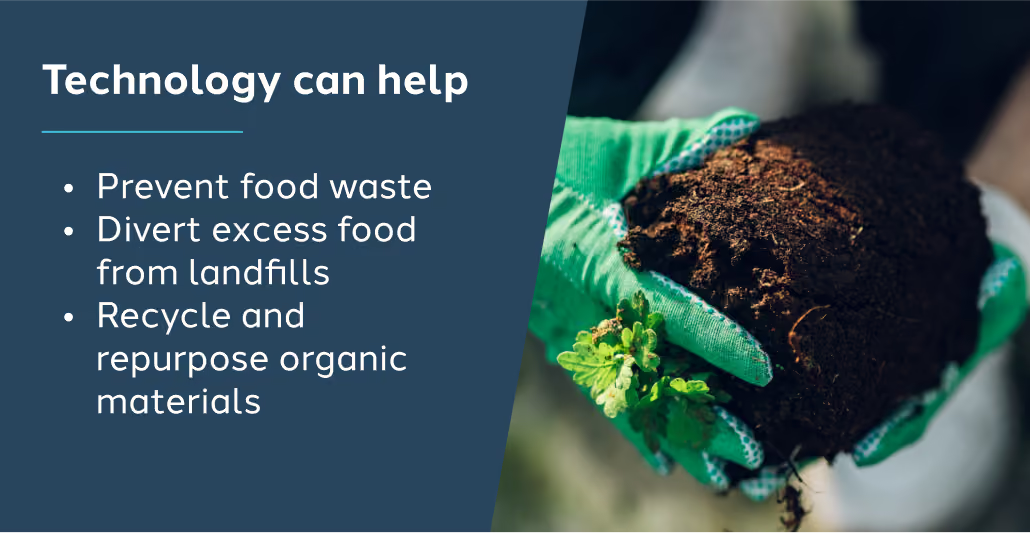
Unfortunately, we don’t eat all the food that’s produced in this country. Every step of the consumables supply chain can have excess — lost crops, expired food on grocery shelves and picky eaters that don’t finish their meal — all contribute to wasted food. However, excess doesn’t have to mean wasted. Not only can technology help prevent food waste, it also transforms these excess materials into things like compost for gardening and landscaping, natural fertilizer for agriculture, nutrient-rich ingredients for animal feed, and biofuels for cars and trucks.
Technology in Action: Solutions for Prevention, Diversion, and Recycling
No matter what your role is in the consumables supply chain, you can tap into the science that helps eliminate food waste. Technology allows us to develop upcycled products made from excess food and create those new products on an industrial scale.
Technology for Food Waste Prevention
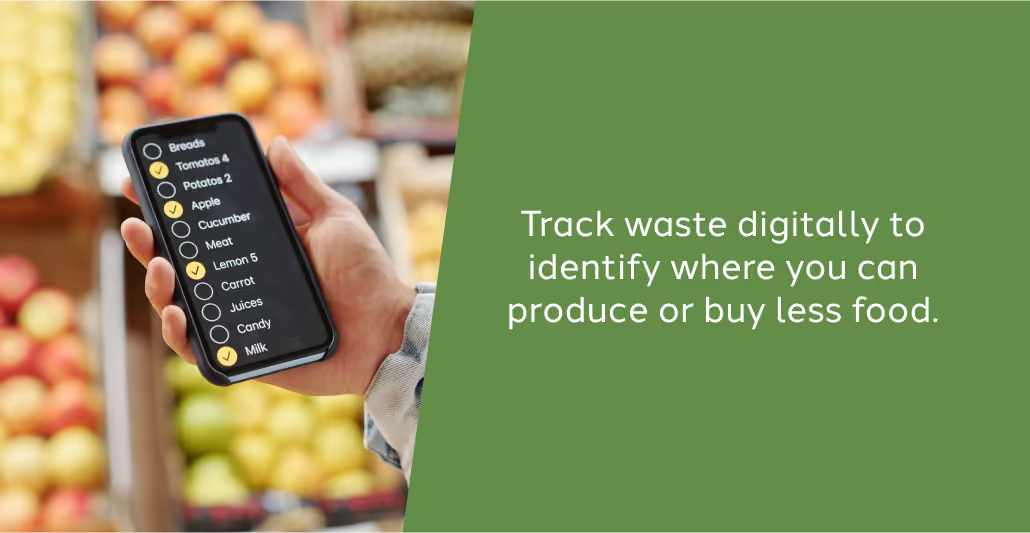
Everyone who handles food, from the farm to the dining table, can take steps to prevent food waste. Recycling and repurposing organic materials start before they’re ever considered excess. Preventing food waste starts with knowing how much and why food is thrown away. Your business manufactures or sells food products, measures and tracks food that doesn’t get eaten through waste audits. You can use special software or apps, or even just an old-fashioned spreadsheet, to identify patterns in what food is thrown away. Then, you can adjust how much you order going forward.Commercial kitchen equipment technology also plays a large part in preventing food from becoming unconsumable. High-end equipment that can hold food at the correct temperatures means everything can reach the customer’s plate. On the manufacturing side of the equation, using the right packaging leads to a longer shelf life. Breakthroughs to prepare food for packaging and improved storage containers keep food available to buy as long as possible. Grocers can leverage automated inventory systems to create “flash sales” of items that are close to “sell by” dates.
Technology for Surplus Food Diversion
Prevention technology and implementation aren’t totally perfect, and some food does need to be disposed of. This excess food doesn’t need to go to landfills, and instead gets recycled properly. Luckily, technology is also on your side here.Without depackaging, if something becomes unconsumable, whether packaged or not, you have to either throw everything away or manually separate the organic material from the packaging.Depackaging technology not only diverts more food away from landfills than ever before, but it’s operationally efficient and provides your employees with more time to dedicate to higher-value activities such as distressed product recovery or repurposing high-cost items - i.e., meat. At Denali, our depackaging technology can increase the amount of organic material diverted from landfills by up to 500%. We also provide a certificate of destruction so that you have written proof that your materials are recycled responsiblyLearn more about our depackaging technology and organic pick-up services.
Another way packaged food and beverages are diverted from landfills is through proper palletized waste management. Think of pallets of soda, canned goods and dry goods that aren’t sellable and just sit in warehouses. We pick up these pallets across the U.S. and process the organic materials, packaging, and pallets at our company-owned and partner facilities.Learn more about beverage destruction and palletized waste at Denali.
Technology for Food Waste Recycling
What happens to the food now that it’s heading away from the landfill? That’s our favorite part of the process. Organic recycling repurposes food and beverages that can no longer be sold or eaten and turns it into products for farmers, gardening, landscaping and more.
Industrial Composting
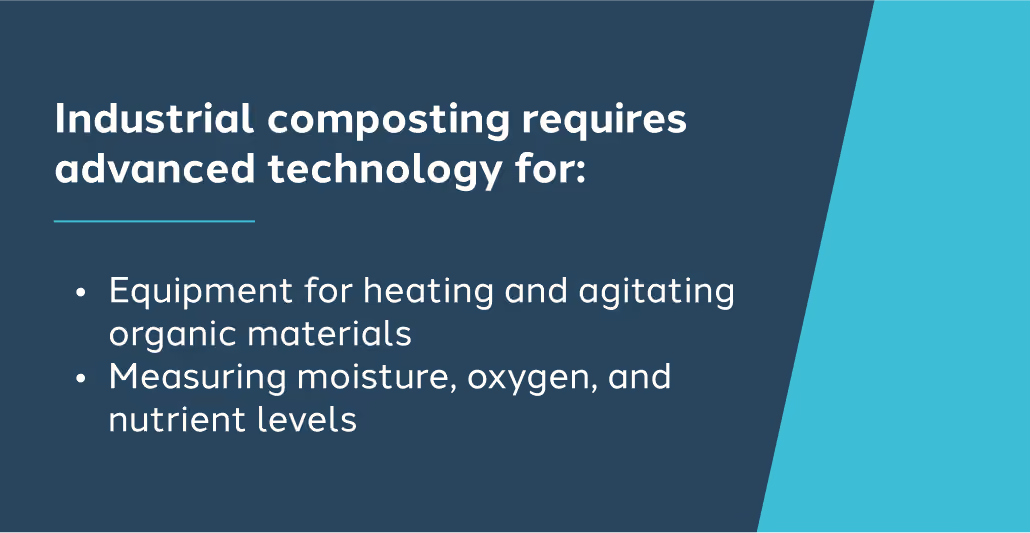
Since organic materials like excess food are still packed with nutrients, they’re perfect for gardening soil and soil amendments like compost and fertilizer. Industrial composting is more complex and technological than what people usually have in their backyards. The facilities need to bring the organics to a super-high temperature, then regularly turn them over so that they can decompose evenly. This happens on a huge scale, and it all must be monitored for the correct moisture and oxygen levels. Natural fertilizers start as compost, which requires extra measurements of different nutrients.
Biofuels
Excess food from grocery stores and restaurants isn’t the only organic material that can be upcycled and repurposed. Used cooking oil from fryers can also be transformed into something useful. Biofuels, specifically biodiesel, are made from vegetable oils that many kitchens use in their fryers. When the oil isn’t clean enough for food, it still holds incredible value. Not only is biodiesel a renewable resource, it also burns cleaner and more efficiently than traditional diesel. Our brand, Biotane Fuels, manufactures biodiesel made from the used cooking oil that we collect. Learn more about our biodiesel manufacturing process and used cooking oil collection services, which we provide in California and Arizona.
Denali is the Link Between Organic and Tech
We believe in advancing technology to make the largest positive environmental impact possible. Prevention, diversion, and recycling of organic products create a pathway to a more sustainable future.
Contact us today or call 855-217-9511to find out how you can make a difference.

Learn more about Denali’s services
Join thousands of businesses turning unsold food and organic waste into valuable new products. Partner with Denali for reliable service—and drive meaningful, sustainable impact.