How Food Recycling Reduces Water Loss, Emissions, and Environmental Risk


You may not know this, but food waste and water waste go hand in hand. When food that requires significant water, land, and energy to produce ends up in landfills instead of being recycled, the embedded water is lost, putting extra pressure on an already stressed water system. In fact, agriculture accounts for roughly 70% of global freshwater withdrawals, meaning every ton of unconsumed food represents thousands of gallons of water that never fulfill their intended purpose.
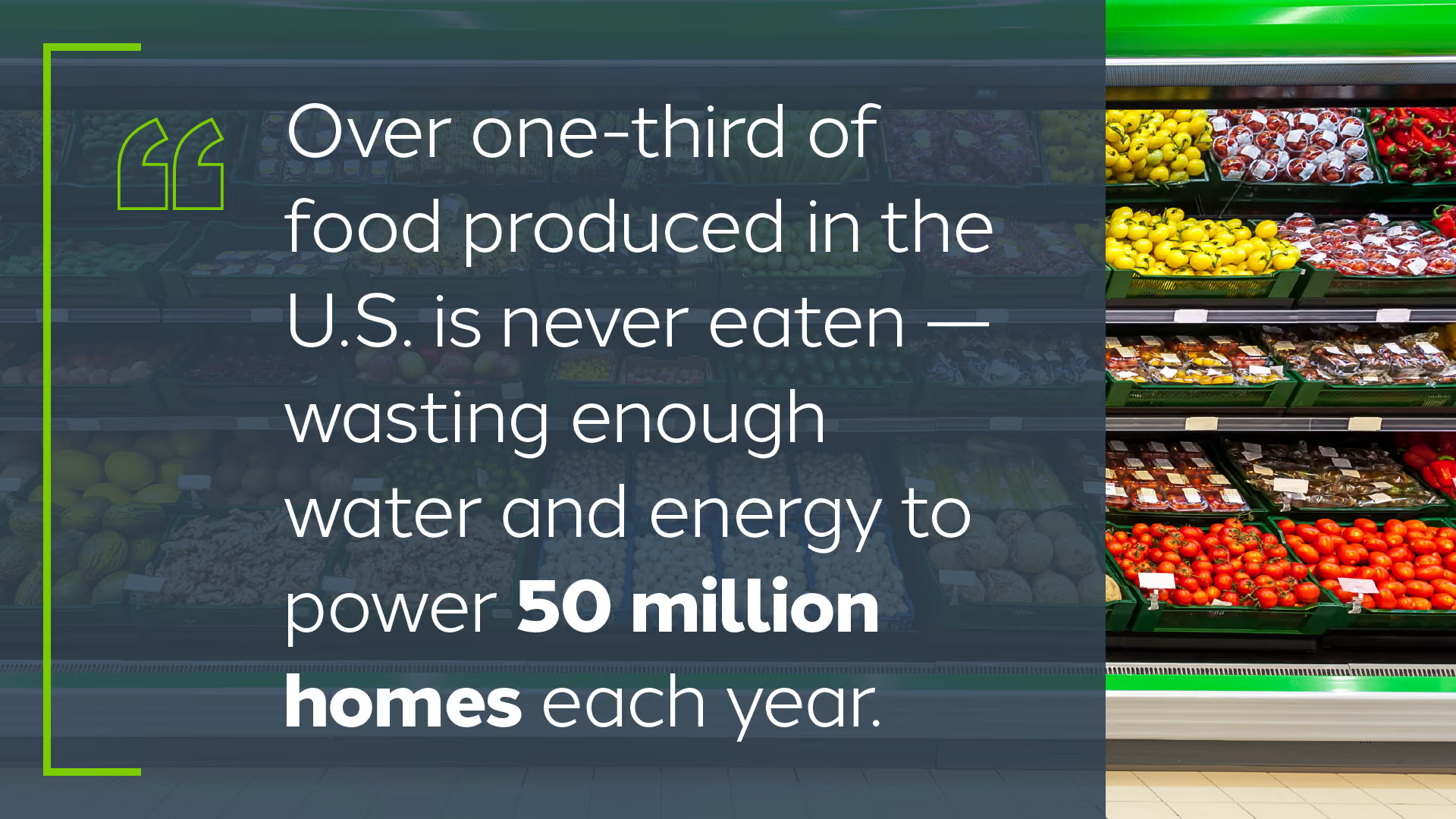
In the U.S. alone, over one-third of food produced is never eaten. The amount of water and energy used to grow unconsumed food could power 50 million homes annually.
Food recycling is a core component of sustainability planning for food-related businesses. When programs are executed well, they benefit the environment while strengthening compliance and cost management.
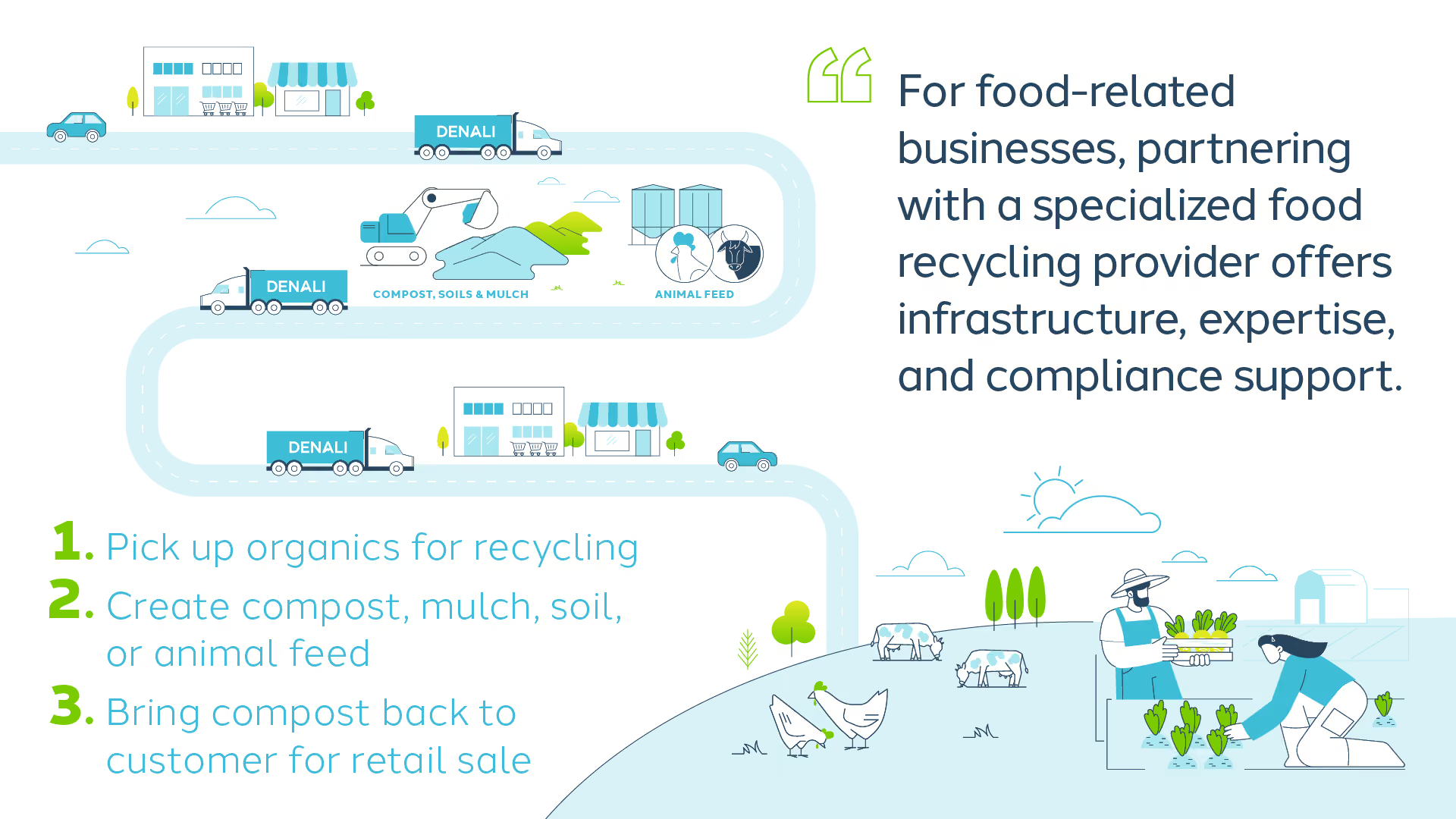
When companies work with a food recycling partner like Denali, they gain immediate access to established logistics, data reporting, and compliance oversight. Partners can also help recover value from surplus food by converting it into compost for retail sale or into animal feed, depending on material type and regional outlets. As you evaluate food recycling partners, prioritize providers with verified reporting systems and the ability to design programs aligned to your operational and regulatory requirements.
What is food recycling?
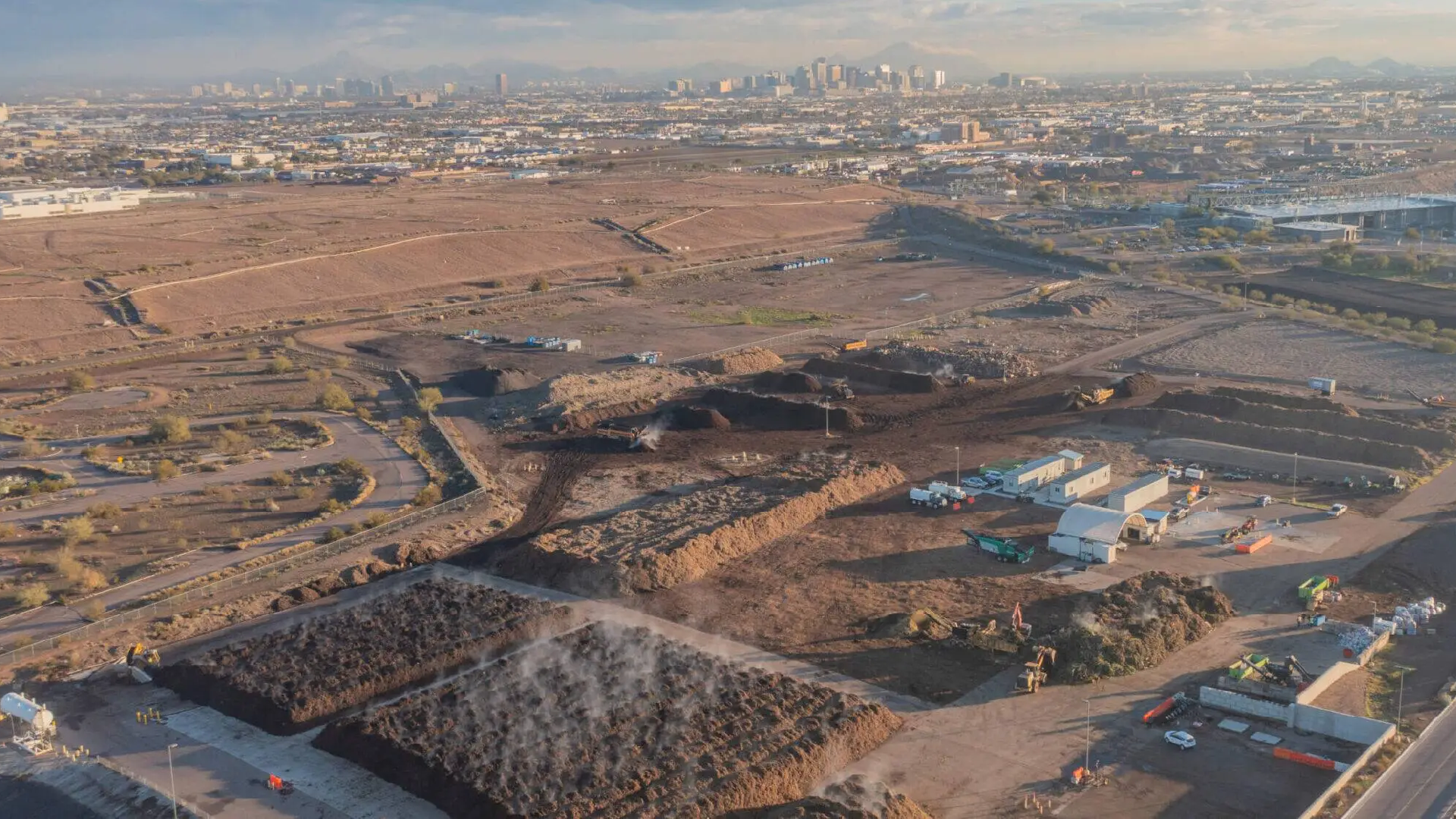
Food recycling is the process of collecting and diverting organic materials from landfills and repurposing them to recover the remaining value instead of discarding them. Unused food, fats, food production byproducts, green waste, and oils are redirected away from decomposition in landfills and converted into livestock feed, fertilizer, soil amendments, renewable energy, and compost.
Organic materials often arrive in plastic or boxed packaging, which can slow recycling efforts due to the time and labor required for separation, which is why depackaging is an important component of food recycling programs. Modern depackaging technologies streamline this process, making separation efficient and cost-effective. Denali has found that when customers leverage depackaging as part of their recycling program, they can increase landfill diversion of organic materials by up to 500%.
Hidden costs of not recycling food
Food waste doesn’t just affect the environment — it affects everyday life. It drives higher disposal costs, increased energy use, and added strain on local infrastructure. In simple terms, it’s money spent and resources used for no benefit.
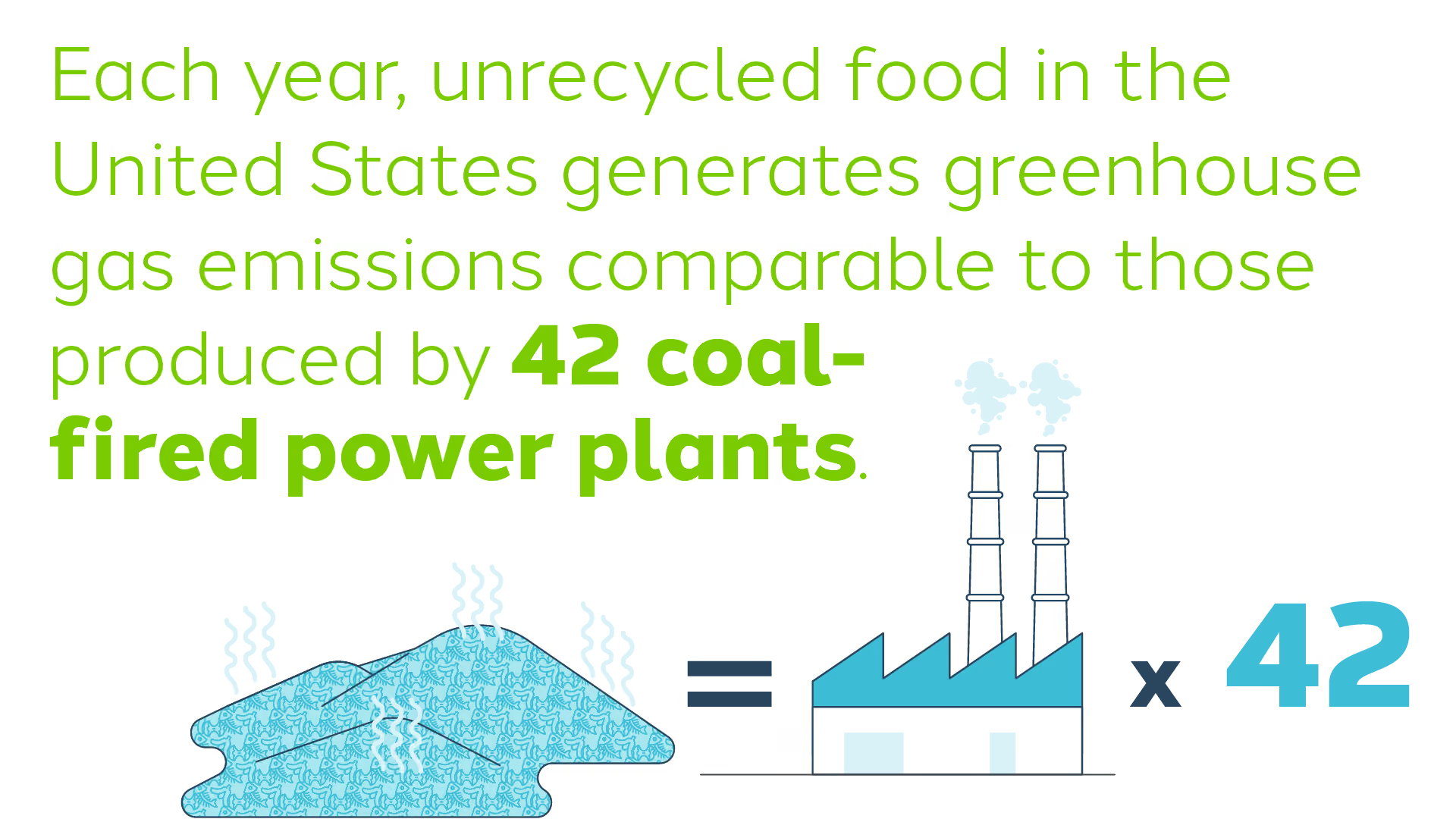
In the U.S., unrecycled food produces emissions comparable to more than 40 coal-fired power plants each year. Globally, uneaten food accounts for nearly 10% of annual greenhouse gas emissions. But beyond the data, the impact is practical: wasted food means wasted energy, labor, transportation, and dollars — costs that ultimately reach households, businesses, and communities.
Reducing food waste isn’t just sustainable — it’s smart. It lowers costs, improves efficiency, and supports stronger, more resilient communities.
Without food recycling programs in place, companies increase their exposure to environmental risk and undermine sustainability commitments.
Recycling food produces valuable resources such as soil amendments, compost, and fertilizer that strengthen soil structure and improve water retention. Healthier soils hold more moisture, which reduces irrigation demand and helps protect local water supplies, creating a direct link between food recycling and long-term water stewardship.
When companies do not invest in food recycling programs, they forgo these downstream environmental and operational benefits. For farmers and growers, integrating recycled products improves soil health, reduces erosion, and limits nutrient leaching. These outcomes directly affect irrigation demand and input costs for land managers, particularly those relying on synthetic soil amendments. Food recycling programs help mitigate these pressures by returning nutrients and organic matter to the soil system.
When working with established partners like Denali, farmers can access recycled natural fertilizer at no cost.
ROI of food recycling in action
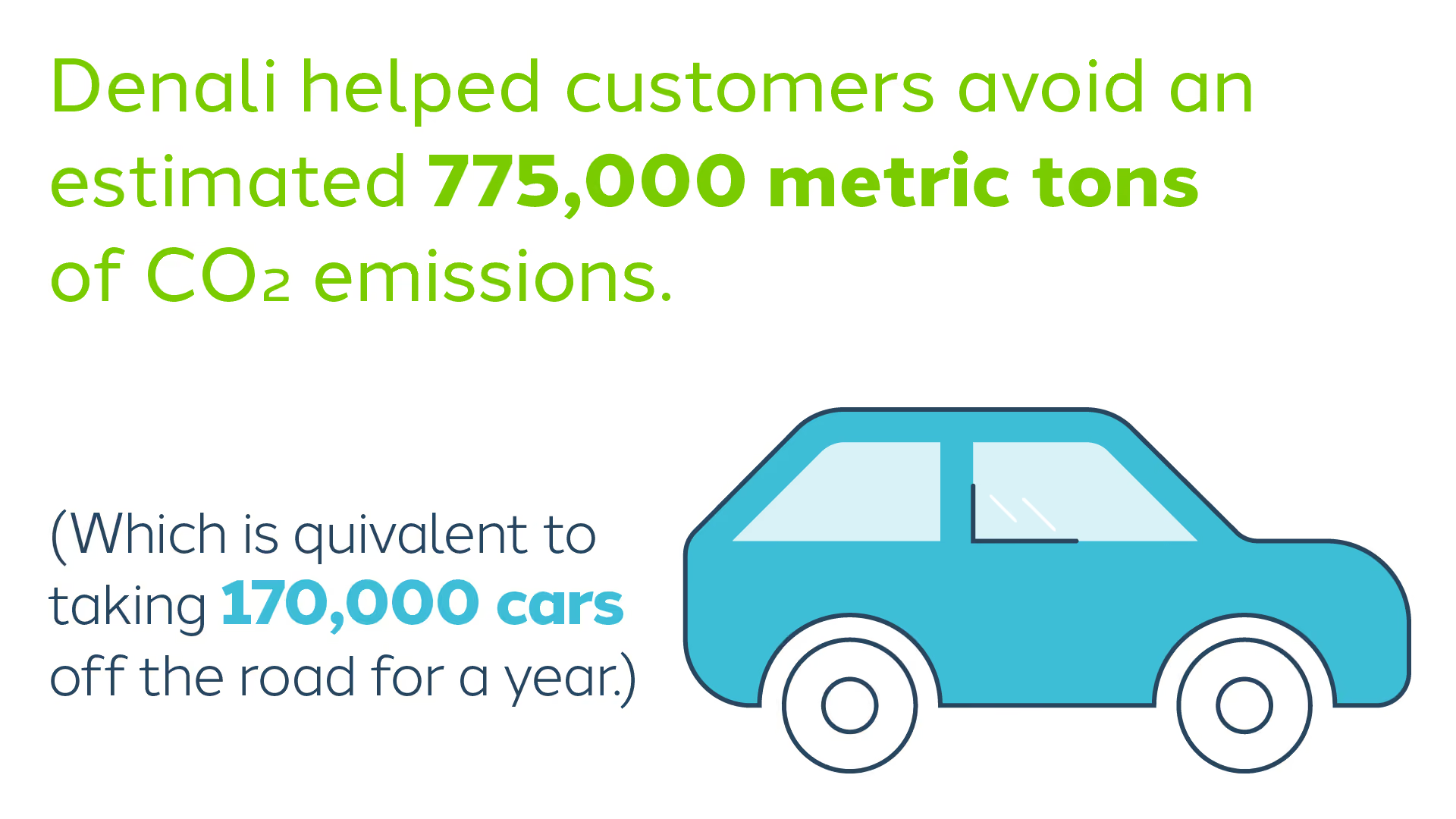
Once food recycling programs move beyond theory, the environmental and economic benefits become clear and measurable. At Denali, we see this firsthand. In 2024 alone, our team worked with partner customers to recycle more than 14 billion pounds of organic materials — representing approximately 11% of all consumer-facing food recycled in the United States. As a result, Denali helped customers avoid an estimated 775,000 metric tons of CO₂ emissions, which is equivalent to taking 170,000 cars off the road for a year—or powering nearly 100,000 homes without emissions.
This level of landfill diversion delivers measurable ROI for land and resource managers. Organic materials that would otherwise be lost to methane-producing landfills are instead converted into compost, biodiesel, mulch, and nutrient-rich soil amendments. Avoided emissions serve as a proxy for reduced environmental risk and lower carbon accountability. These programs also help preserve embedded water resources and support downstream water efficiency through improved soil performance. Food recycling also reduces reliance on synthetic soil inputs by returning nutrients to the land.
Why use a food recycling partner?
For food-related businesses, partnering with a specialized food recycling provider offers infrastructure, expertise, and compliance support. Building an internal food recycling program often requires significant capital investment and years of development. At the same time, many large food businesses now operate under time-bound targets to reduce food sent to landfill, accelerating the need for scalable recycling solutions.
Start the cycle
By converting unconsumable food into resources such as animal feed, compost, and renewable fuel, companies can reduce emissions, improve soil water retention, and lower costs tied to irrigation, fertilizers, and compliance. As water scarcity and environmental accountability increasingly influence business risk and brand value, food recycling programs play a practical role in long-term operational resilience.
If you’re not sure where to get started, explore Denali’s food recycling and collection programs. Contact our team to learn how a tailored food recycling program can support your operational and sustainability objectives.

Learn more about Denali’s services
Join thousands of businesses turning unsold food and organic waste into valuable new products. Partner with Denali for reliable service—and drive meaningful, sustainable impact.