The science of soil renewal: how compost strengthens farms for the long term

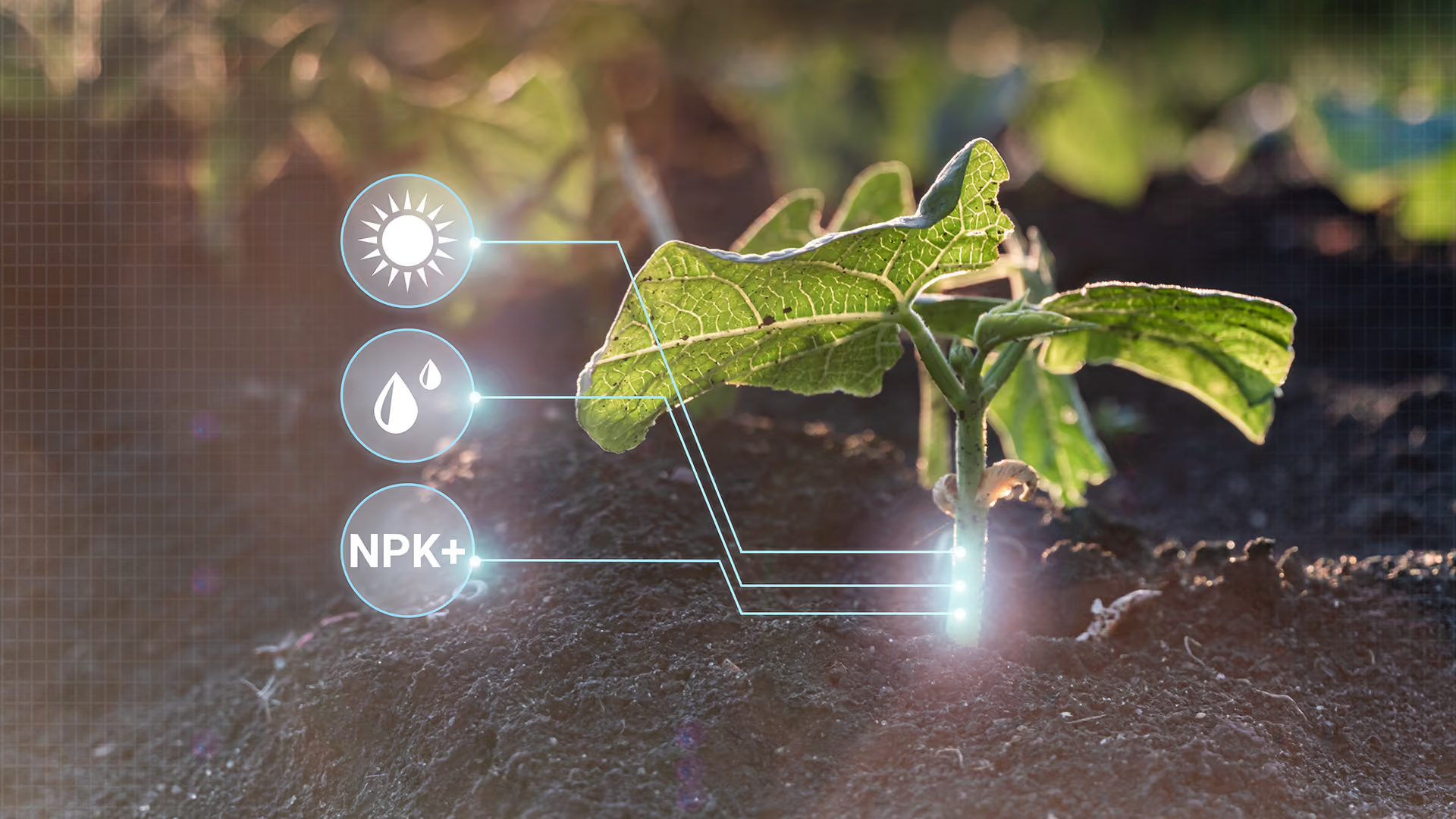

Every farmer knows that one of the foundations of a good harvest is good soil. Proper soil management is imperative for the longevity and profitability of agricultural businesses. This leaves farmers navigating a tough balance between ensuring long-term soil health while also protecting yields.
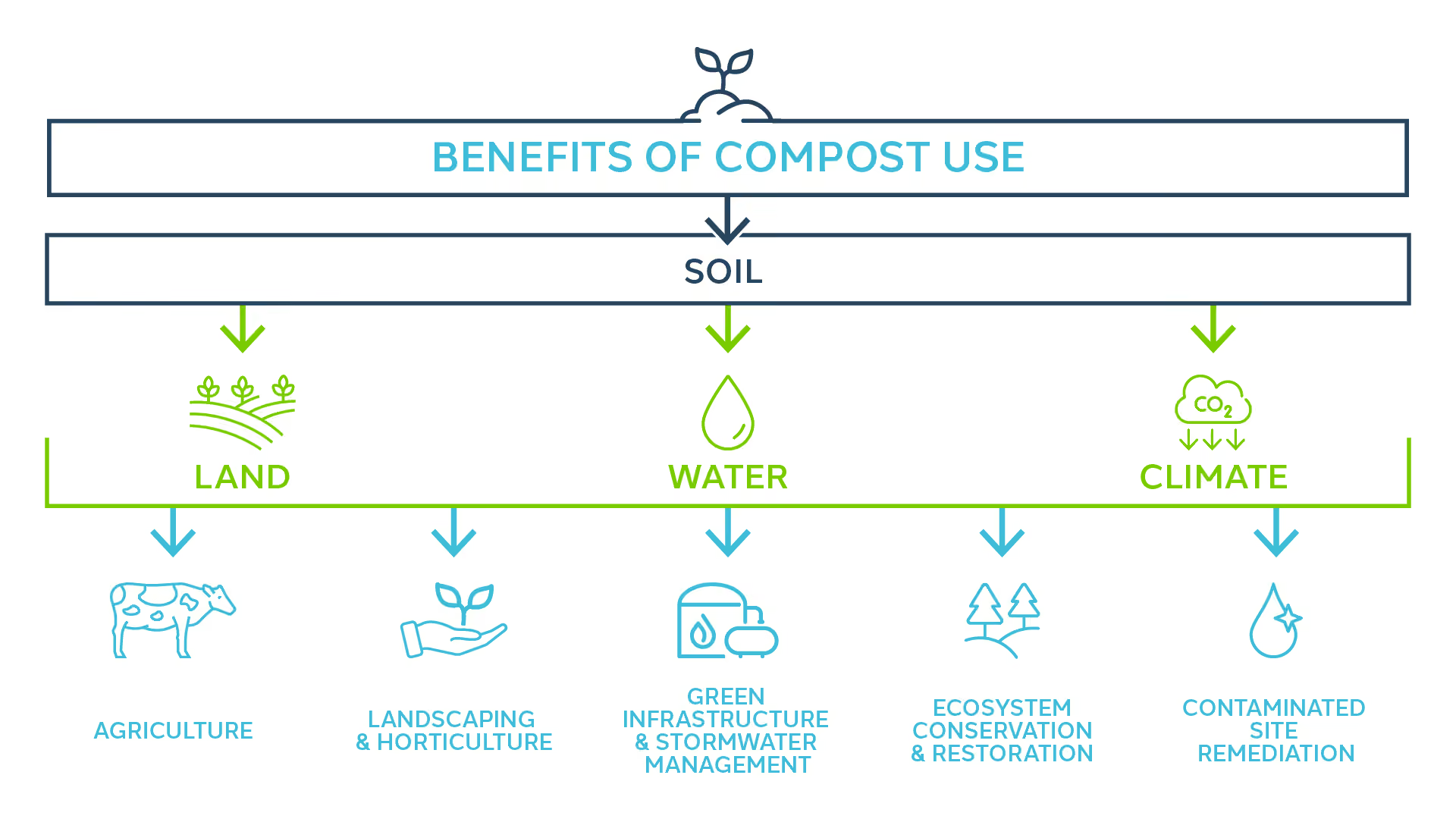
Luckily, there is a resource that can do both. Compost is one of the ways farms can tackle these issues in tandem and quite literally reap the benefits. High-quality compost has been shown to improve drought resilience, soil structure, and crop yields.
Compost use varies by region and crop type, but as more farmers focus on long-term soil health rather than short-term nutrient replacement, compost is becoming a more common part of modern soil fertility strategies.
Since compost is comprised of recycled food, it is a nutrient-rich soil amendment with many benefits for growers.
Let’s dive into the science behind those benefits and how they can be applied to your farm.
How Compost Strengthens Farms
Water retention
Access to water is essential for farmers, yet this resource is becoming increasingly unpredictable with dramatic climate shifts. Integrating organics-based compost into farm soil is one way these businesses can improve water retention.
The science of compost and water retention is pretty interesting, because it affects existing soil on a molecular level. A 2025 study discovered that carbohydrates from decomposed plant matter found in compost serve as a connecting bridge between soil minerals and organic elements. It is this bond that traps the water in the soil that would otherwise evaporate. As a result, the soil can retain more hydration. Crops, in turn, need less water inputs in order to survive, and can also access those water stores more easily during times of stress.
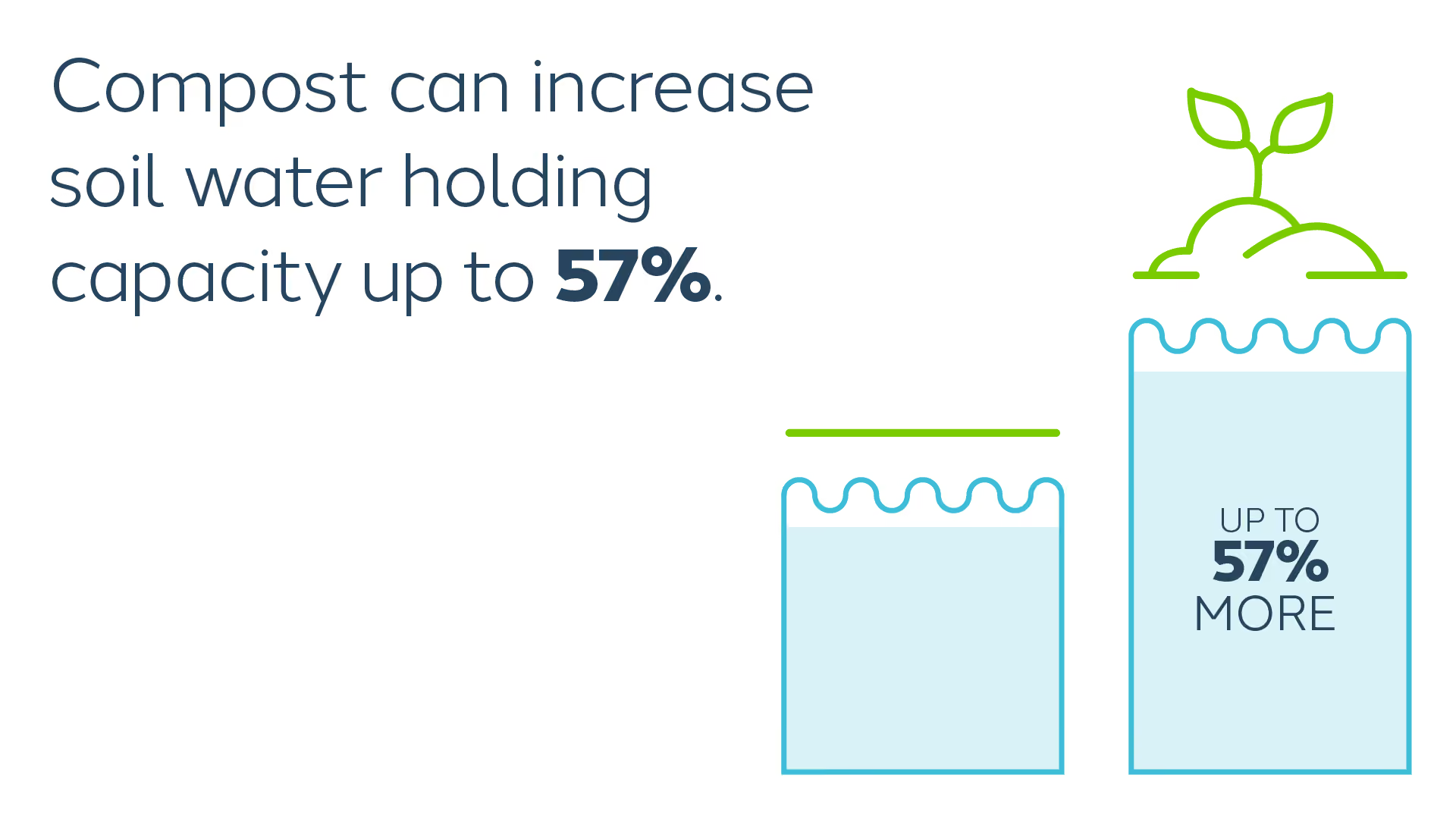
Fields topdressed with compost absorb and retain more water from irrigation and rain, meaning that if drought strikes, compost hedges against water scarcity. In fact, it’s been found that compost can increase soil water holding capacity up to 57%. More water stored in the soil means slower moisture loss and smarter, more stable resource management.
Soil health
Healthy soil is a living system of nutrients, organic matter, and microbial activity working together to support crop growth. While traditional fertility programs often focus on nitrogen, phosphorus, and potassium (NPK), many growers are now looking beyond this to improve soil structure, biology, and resilience over time.
Compost helps strengthen these systems in several ways. First, using compost adds valuable nutrients NPK back into the soil. In addition to major crop nutrients, compost also adds micronutrients and organic matter to the soil. Organic matter is vital for maintaining and increasing cation exchange capacity, or CEC. The higher the CEC in the soil, the better it can retain those vital nutrients and disperse them to crops, ensuring long-term fertility.
Compost has also been found to boost microbial activity in soil. It is full of rich organic compounds that support healthy bacteria, fungi, and other microbes in the soil. Soil needs these microbes because they are good at consuming organic matter, converting it into the specific nutrient compounds plants can use, providing long-term soil fertility. These microorganisms also help maintain a healthy soil PH, ensuring plants have access to nutrients in the soil.
Erosion resilience
Compost helps protect soil from erosion. Farming tactics like plowing and monoculture leave the soil exposed to elements like wind, water, and drought. Over time, erosion can cause soil to lose nutrients, reducing the quality of the soil. Adding compost to soil combats this problem in a profound way, reducing erosion by 97%.
Higher yields
In the end, all farms want the same thing: an abundant, reliable harvest. Incorporating compost into farmed soil helps that goal become more attainable. A 2024 study looking at dryland wheat farming found that the soil that was treated with 20 tons/acre of compost had the highest yield recorded since 2016. No additional fertilizers were used in this study, demonstrating that compost provides farm soil with sufficient nutrients to support high-quality crops.
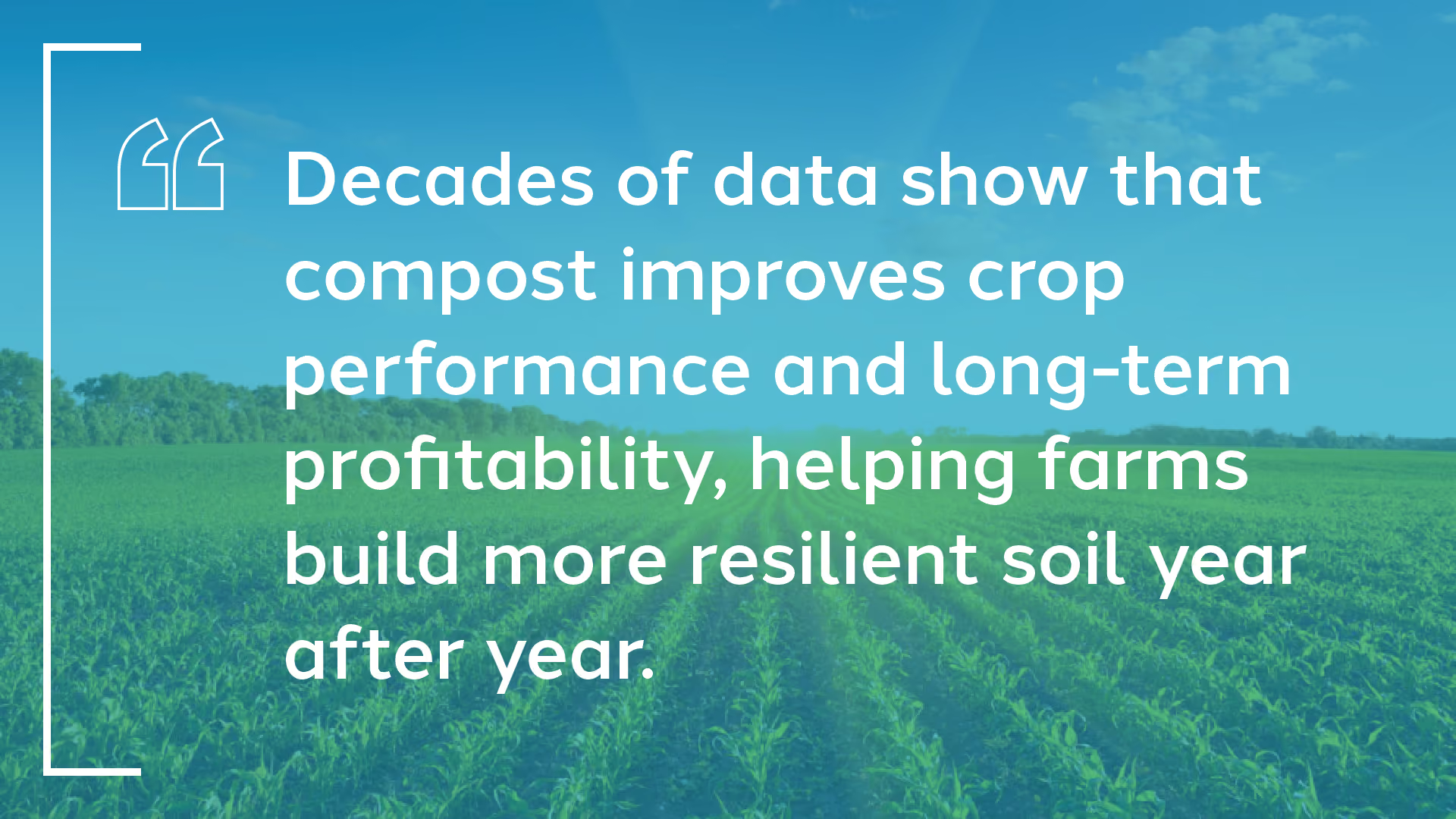
The best part is that soil amendments like compost have been linked to a long-term increase in crop success. A 2024 analysis reviewing decades of data concluded that the use of products like compost increased crop yield and financial profitability by 2823% over 20 years of practice. So, when agricultural businesses invest in compost, they’re not only improving their farms today, they’re building crop resilience for the future.
How to Access Quality Compost
Compost adoption looks different across agriculture. Fruit and vegetable growers tend to rely heavily on commercial fertilizer. Many corn, soybean, and hay producers rely on manure, litter, or commercial fertilizers. That balance is shifting as more commercial farmers recognize that compost and other organic inputs improve overall soil health in ways synthetic fertilizers alone simply can’t.
There are a few ways a farm can access compost to improve its yearly harvests and maintain healthy soil. First, farms can do it themselves. This requires research, followed by time and money spent building out the infrastructure and processes to produce compost. You’ll also need to have access to enough unconsumable food and organic byproducts to make enough compost to cover your entire farm.
Partner with a professional
While the DIY option gives farmers complete control, it also leaves them handling all the logistics, including allocating labor to manage this valuable resource. Rather than making compost the farm’s responsibility, agricultural businesses can also partner with organizations like Denali, which are experts in producing premium compost.
Get the Most from Compost
Compost gives farmers a practical tool that helps protect their business for the long term.
These same soil health principles apply beyond farming. Compost is widely used in landscaping projects, community green spaces, and home gardens to improve water retention, reduce erosion, and support healthier plant growth. Whether applied at field scale or in a backyard, compost strengthens soil systems for long-term performance.
By boosting water retention, soil health, and crop yields, compost offers farmers a clear way to fortify their land and their profits. Better soil today equals a more resilient operation tomorrow.
Check out our compost, soils, and mulch products to begin building a better tomorrow for your agricultural business.

Learn more about Denali’s services
Join thousands of businesses turning unsold food and organic waste into valuable new products. Partner with Denali for reliable service—and drive meaningful, sustainable impact.