“Food Waste” Is a Misnomer: Why We Need To Change How We Talk About Unsold Food
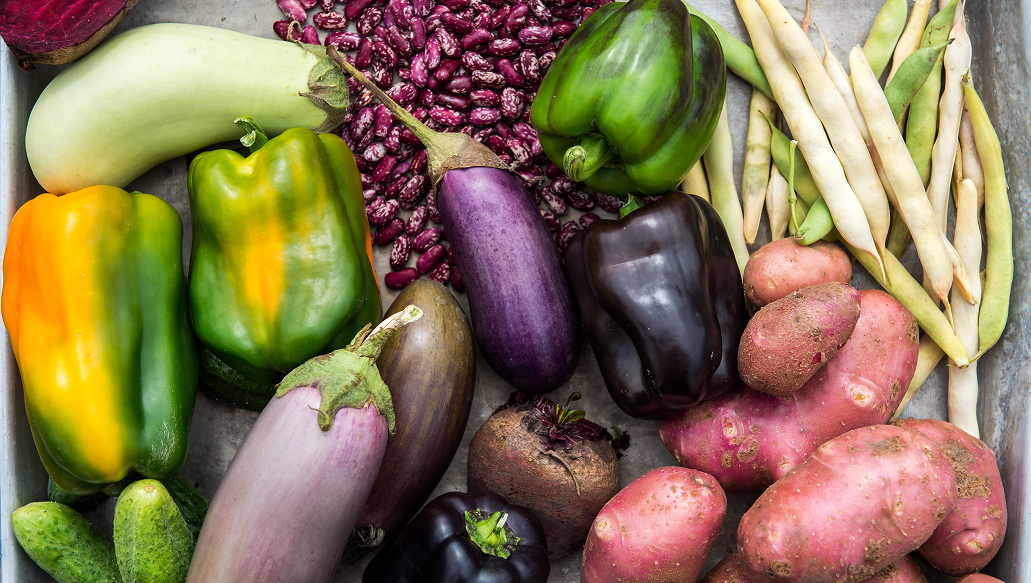

“Waste” is the common term for any food that’s left unconsumed — anything that doesn’t make it to the store, that doesn’t make it to a dining table or that doesn’t make it to our stomachs. It’s not necessarily the wrong term, but it’s not the right one, either.Calling unsellable food “waste” misses the bigger picture. Waste connotes things that are useless, unwanted and burdensome. Yes, excess food doesn’t get eaten by us, but it by no means turns into waste. That is, if it gets disposed of and recycled properly.
It’s only waste if it’s wasted
The reason we’re hesitant to call unsellable food “waste” is because it still has value. It’s not something that should be discarded because it still holds so much nutritional value and energetic potential. However, unsellable food can be considered waste if it makes it to the landfill. Once it’s mixed in with the rest of the refuse, it loses its potential to be transformed into something new.At Denali, our goal is to completely eliminate food waste. That’s not to say that we want to eliminate food byproducts or excess food — that’s not an achievable goal. What we can do, however, is divert surplus food byproducts from manufacturers and retailers away from landfills and toward recycling facilities. Unsellable food doesn’t have to become waste.
The food waste problem: food that goes to landfills
It’s true: a lot of food doesn’t get the recycling treatment that it deserves. That’s one reason Denali exists. We see how much food actually becomes wasted. A landfill is the end of the line for any discarded materials, organic or otherwise. Of the nearly 300 million tons of waste produced in the US, over 75% of that ends up in a landfill.
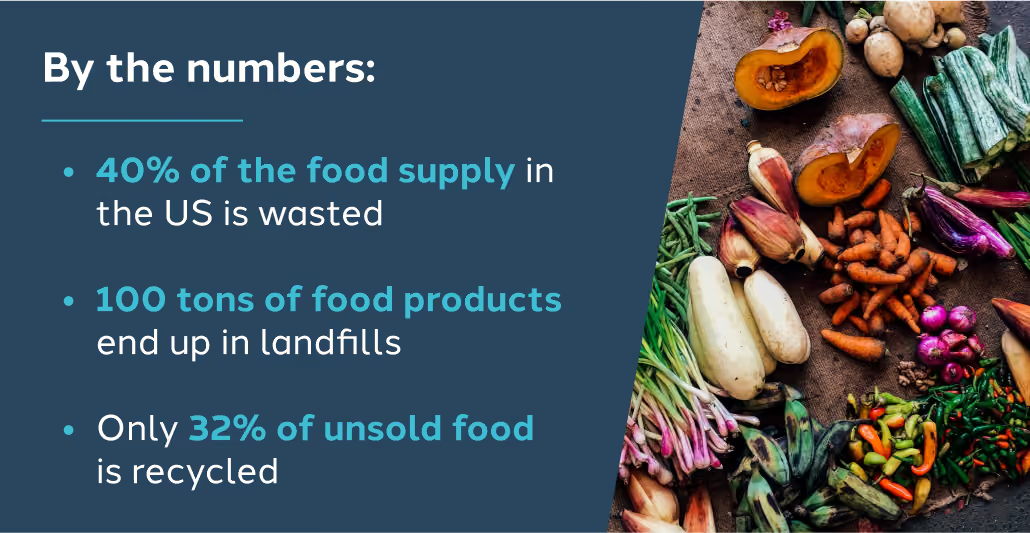
In terms of food waste from farms, manufacturers, retailers and consumers, we’re looking at 100 million tons going to landfills each year.The issue of these organic materials in landfills is twofold:
- We lose valuable resources for organic materials and ingredients
- Decomposition in landfills causes environmental headaches
We’ll go into detail about the first issue later in this article. Let’s discuss the second issue. It demonstrates exactly why reframing unsold and unconsumed as something other than “waste” is so important.
Why organics in landfills is a problem
It’s common to think that throwing organic materials in the trash is fine — they can decompose and be a part of the natural ecosystem, right? The issue with that line of thinking is that landfills are not a part of the natural ecosystem. Therefore decomposition gets a little hairy.Landfills create the perfect environment for anaerobic decomposition — or decomposition without oxygen. The bacteria that break down organics in these conditions release methane, which is one of the most potent greenhouse gases. It captures more heat from the sun than other greenhouse gases and contributes to climate change.
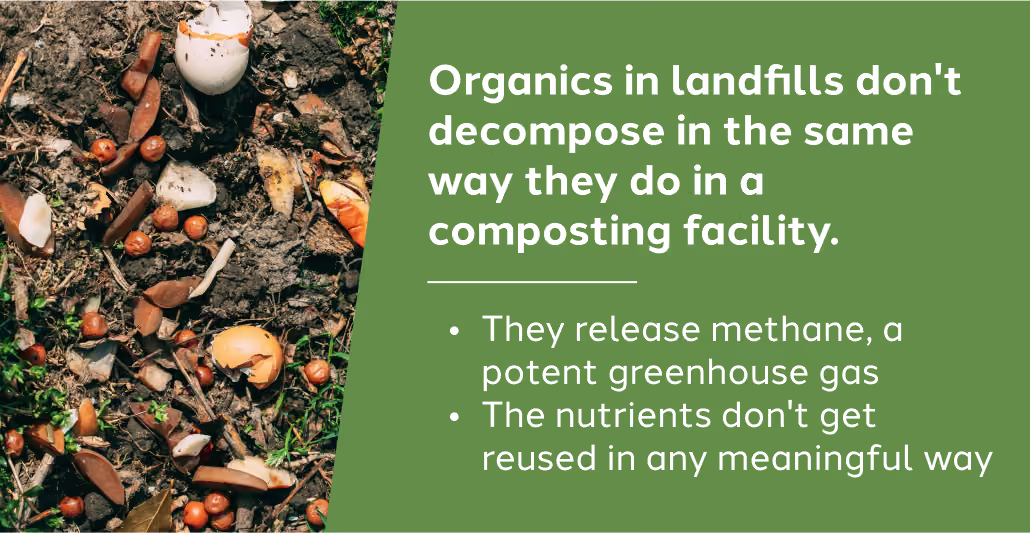
According to the EPA, food is responsible for more than half of methane emissions from landfills. But that’s not the only reason that food and organic products in landfills can be problematic. Even though nutrients may be released during decomposition, they don’t go into the ecosystem or get used in any meaningful way. If recycled, organic materials can become valuable ingredients for products such as compost and fertilizers. If they go to the landfill, those ingredients need to be created somewhere else; thus, the cycle of waste and overuse continues. Also, landfills take up A LOT of space. The US has nearly two million acres of landfills that impact local communities and ecosystems.
How does this relate to using the term “waste”?
Out of sight, out of mind. That’s more or less how we think of waste. Once it ends up in the bin, it doesn’t exist to us anymore.That’s a hazardous way of thinking for three reasons.
- It completely disregards the value of existing organic materials.
- It assumes endless access to resources and ingredients that we have to continually mine, grow and manufacture.
- It normalizes the damage caused by organics in landfills. As our disposal system operates, what we throw away doesn’t go away. And when they sit, unused and “wasted” materials cause real, tangible environmental damage.
The bright side of acknowledging that what we throw away doesn’t go away? We have a plethora of resources that still exist. We just need to tap into them.
The food waste solution: repurpose and recycle
If we return to our original definition of waste as something useless, unwanted and burdensome, unsellable food and organic byproducts would be completely removed from that umbrella. There’s no shortage to the potential of excess food. Just because it’s deemed, perhaps slightly disconcertingly, not fit for human consumption, doesn’t mean it’s not fit for anything. Unsold food is one of the best resources for nutrition for plants and animals. This means that unsold and unconsumed organic materials are the opposite of waste. They’re untapped resources vital to the circular economy and the environment.When we treat unused organic materials as waste, we deprive the world of valuable resources.
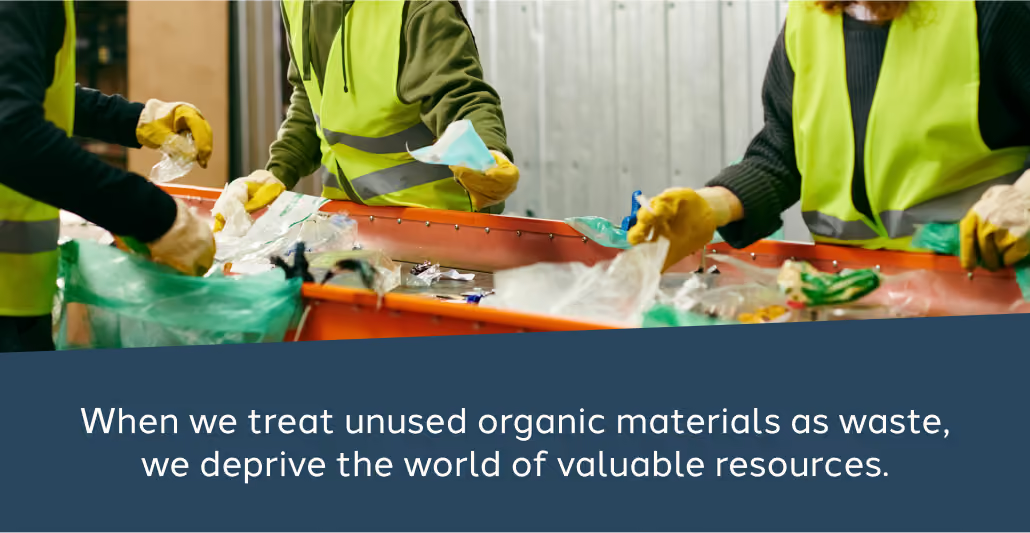
What happens when we stop thinking of unsellable food as “waste”
How do we divert leftovers, expired food and organic byproducts away from landfills and tap into their potential? The answer is collection and recycling. Through different methods for different types of organic materials, we can use these materials in a variety of creative ways.
Compost
While landfills cause organics to decompose anaerobically, proper composting allows organics to decompose aerobically, or with oxygen. Industrial composting not only drastically reduces the amount of greenhouse gases released into the atmosphere, but converts nutrients into an available form that plants can tap into as they grow. Learn more
Fertilizers
Natural fertilizers function similarly, though they’re much more concentrated. Unsellable food harvested from farms can be transformed and returned to the earth for the next crop.We work with farmers and agronomists to formulate natural fertilizers with the perfect ratio of nutrients for their goals. Learn more
Animal feed
The term “unfit for human consumption” isn’t so much a misnomer as the term “waste,” but it does have similar implications. A lot of food that doesn’t meet requirements for human consumption is still sanitary and contains essential nutrients animals need.The standards set for food that humans can eat aren’t arbitrary. Some things do pose a potential danger for humans to eat, others just won’t sell because they’ll look or taste bad. Think of things like leftover bread dough, fat trimmings, overripe vegetables and returned food items.With proper processing, we can tap into the nutrients in these food byproducts and create animal feed for livestock and pets. Learn more
Biofuels
Used cooking oil from commercial kitchens is used to create an alternative, clean-burning fuel. Biodiesel isn’t just made from already-available resources. It’s also more efficient than conventional fuel. Learn more
Be a part of the solution
If we can help everyone to stop saying that unsellable food is “waste,” we can stop them from thinking of it as such, which means we can make even more progress in recycling organics.Sustainability at an industrial level doesn’t have to be an uphill battle. Small changes from everyone, like the vocabulary you use, can snowball into a larger change for the better.

Learn more about Denali’s services
Join thousands of businesses turning unsold food and organic waste into valuable new products. Partner with Denali for reliable service—and drive meaningful, sustainable impact.